
Papaya is widely loved for its sweet tropical fruit, but many people overlook one of the plant’s most powerful parts: its leaves. In many traditional medicine systems across Asia, Africa, and Latin America, boiled papaya leaves have been used as a natural remedy for digestion problems, immune support, and even recovery from viral infections.
Papaya leaves contain a rich mix of bioactive compounds such as papain, flavonoids, vitamin C, and vitamin E, which contribute to their anti-inflammatory and antioxidant properties.
In this article, we’ll explore the main benefits of boiled papaya leaves, how they work in the body, and the safest ways to prepare them at home.
What Are Papaya Leaves?
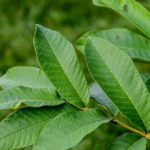
Papaya leaves come from the tropical tree Carica papaya. While the fruit is commonly eaten worldwide, the leaves are often used in herbal teas, decoctions, or juices for medicinal purposes.
When the leaves are boiled in water, their beneficial compounds are released into the liquid, creating a slightly bitter herbal drink that has long been used in folk medicine.
Papaya leaves contain:
These components are believed to support digestion, reduce inflammation, and strengthen immune responses.
7 Powerful Benefits of Boiled Papaya Leaves
1. Supports the Immune System
One of the most well-known benefits of papaya leaves is their ability to help strengthen the immune system.
Papaya leaves contain antioxidants and vitamins that protect cells from oxidative stress. These compounds help the body defend itself against infections and inflammatory conditions.
Research suggests papaya leaf extracts may even help regulate immune responses by reducing harmful inflammatory signals in the body.
This is one reason papaya leaf tea has become popular as a natural wellness drink.
2. May Help Increase Platelet Counts
Papaya leaf remedies gained global attention due to their potential role in supporting platelet production.
Some studies suggest papaya leaf extract may help increase platelet levels, especially during certain viral infections such as dengue fever.
Platelets are essential blood components that help prevent excessive bleeding. When platelet levels drop, recovery can be difficult.
While papaya leaf remedies are not a cure for disease, they are often studied as a supportive natural approach.
3. Improves Digestive Health
Papaya leaves contain the enzyme papain, which helps break down proteins and improves digestion.
Because of this, boiled papaya leaf tea is sometimes used to relieve digestive discomfort such as:
- Bloating
- Gas
- Constipation
- Indigestion
These enzymes help the body process food more efficiently and may reduce irritation in the digestive tract.
In traditional medicine, papaya leaf decoctions are often consumed after heavy meals to support gut health.
4. Natural Anti-Inflammatory Effects
Papaya leaves contain compounds such as flavonoids and vitamin E that may help reduce inflammation.
Inflammation plays a role in many chronic conditions, including:
- Joint pain
- Muscle soreness
- Arthritis
- Skin irritation
Laboratory studies have shown papaya leaf extract can reduce swelling and inflammatory responses in experimental models.
While human studies are still limited, these early findings support traditional uses of papaya leaves for pain relief.
5. Rich in Antioxidants
Antioxidants are compounds that help neutralize free radicals—unstable molecules that damage cells and accelerate aging.
Papaya leaves are packed with antioxidants that may help:
These protective properties may contribute to better long-term health and improved resilience against environmental stressors.
6. May Support Liver Health
Traditional herbal medicine often uses papaya leaves to support liver function.
Early research suggests papaya leaf compounds may help protect the liver from oxidative stress and toxins.
The liver plays a key role in detoxification, digestion, and metabolism. Supporting liver health may improve overall energy and well-being.
7. Helps the Body Recover from Illness
Because of their immune-supporting and antioxidant properties, papaya leaves are sometimes used during recovery from illness.
The nutrients and plant compounds found in the leaves may help:
While more clinical research is needed, traditional medicine continues to value papaya leaves as a restorative herbal remedy.
How to Prepare Boiled Papaya Leaves
Making papaya leaf tea is simple and requires only a few ingredients.
Ingredients
Instructions
- Wash the papaya leaves thoroughly.
- Cut the leaves into small pieces.
- Place them in a pot with water.
- Bring to a boil and simmer for about 20–30 minutes.
- Strain the liquid and allow it to cool.
- Drink a small cup once or twice a day.
This method extracts beneficial compounds from the leaves into the water.
Because papaya leaves are naturally bitter, some people add honey or lemon to improve the taste.
Possible Side Effects and Precautions
Although papaya leaves are natural, they may not be suitable for everyone.
Potential side effects include:
People taking blood-thinning or diabetes medications should consult a healthcare professional before consuming papaya leaf remedies.
Pregnant women are generally advised to avoid papaya leaf preparations unless recommended by a doctor.
Final Thoughts
Boiled papaya leaves are an ancient herbal remedy that continues to attract scientific interest. Rich in enzymes, antioxidants, and anti-inflammatory compounds, they may offer several potential health benefits—from improved digestion to immune support.
While research is still evolving, moderate consumption of papaya leaf tea may be a useful addition to a balanced wellness routine.
However, like any natural remedy, it’s important to use it responsibly and consult a healthcare professional if you have underlying medical conditions.
- Nutritious Cinnamon and Aloe Vera Drink to Support Your Health
 In the ongoing search for a healthier lifestyle, more and more people are becoming interested in natural remedies and recipes that promote overall well-being. One ingredient often used in this context is aloe vera, a plant traditionally valued for its soothing properties and potential health benefits. In this article, we’ll introduce a simple and refreshing drink…
 - 15 Signs That Your Liver Is in Danger (And What to Do About It)
 Your liver is one of the most important organs in your body. It filters toxins, supports digestion, and helps regulate metabolism. However, liver problems often develop silently, showing subtle warning signs that are easy to ignore—until it’s too late. In this article, we’ll explore 15 signs that your liver is in danger, so you can take…
 - The Essential Vitamin That May Help Relieve Leg and Bone Pain
 Have you ever experienced unexplained pain in your legs or bones? If so, you may wonder whether a vitamin deficiency could be contributing to the problem. In this article, we’ll explore vitamin D, its importance for bone and muscle health, natural sources, and practical ways to support your overall well-being. The Importance of Vitamins for Bone…
 - Benefits, Properties, and How to Prepare It at Home
 Guava leaf tea has become one of the most popular traditional herbal infusions for people looking for a simple and affordable way to support their overall well-being. Made from the leaves of the guava tree, this traditional drink is known for its antioxidant properties and its traditional use for digestive comfort. Many people drink it as…
 - The Plant Gaining Attention for Supporting Eye Health
 Discover a Natural Way to Care for Your Vision 👁️ Introduction Millions of people around the world experience eye discomfort every day—including blurred vision, light sensitivity, screen-related eye fatigue, dryness, or a constant reliance on glasses. As modern life places increasing demands on our eyes, many people are turning to nature in search of gentle,…
 - The Natural Juice Blend That Is Getting Attention in 2026
 The natural juice blend tipped to be a trend in 2026: Soursop, Guava, and Tomato. In a world where chronic diseases such as diabetes, cancer, and hypertension place increasing pressure on healthcare systems, more people are looking for safe, natural ways to support their health. Although prescribed medications remain essential, interest in complementary approaches based…
 - What Happens to Your Body When You Start Eating Garlic Before Bed?
 Many people struggle to get a good night’s sleep. They may wake up several times during the night or still feel tired even after what seems like enough rest. This fatigue can affect energy, mood, and everyday activities. As a result, more people are exploring natural habits that may support better sleep. But could a…
 - A Gentle Green Ally for Kidney and Joint Health
 If you have ever experienced the persistent discomfort of kidney stones or the sudden pain of gout, you know how much these conditions can interfere with everyday life. Although there is no single solution that works for everyone, nature offers a variety of plants that have been traditionally used to support well-being, and one of…
 - Over 60? You Might Be Missing These 10 Silent Mini Stroke Warning Signs
 Introduction As we age, the risk of stroke increases—especially after 60. But what many people don’t realize is that mini strokes (also called TIAs – transient ischemic attacks) often happen with subtle or “silent” symptoms. Ignoring these early warning signs can be dangerous. A mini stroke is often a serious red flag that a major stroke could occur soon.…
 - A Simple Nighttime Ritual to Improve Deep Sleep Naturally
 Getting quality sleep isn’t a luxury—it’s a necessity. Yet for many people, falling asleep quickly and staying asleep through the night can feel like a constant battle. Instead of turning to medications, more people are exploring gentle, natural solutions that support the body’s own sleep cycle. One surprisingly effective option? A warm banana and cinnamon…
 - Benefits, Recipe, and How to Enjoy This Powerful Herbal Infusion
 Clove tea is a fragrant herbal infusion with a distinctive, warm flavor that has been used for centuries for its medicinal properties. This comforting drink is not only delicious but also packed with health benefits. In this article, you’ll learn what clove tea is, how to prepare it, its health benefits, and creative ways to…
 - Healthy Juice for Eye Health and Memory: Supports Cataract, Glaucoma, Migraine, and Memory Issues
 🥤 Natural Juice for Vision and Brain Health Introduction Do you struggle with blurred vision, cataracts, glaucoma, migraines, or memory problems? These conditions often develop with age or due to unhealthy lifestyle habits. Fortunately, nature offers a simple and effective solution: a nutrient-rich natural juice packed with essential vitamins and antioxidants. This powerful recipe combines orange,…
 - The Living Amulet That “Prays” for Abundance
 Did you know there’s a plant that moves as if it had a will of its own? It’s not science fiction—it’sMaranta leuconeura, commonly known as thePrayer Plant. Beyond being a stunning decorative piece, this tropical beauty is believed to bring luck, gratitude, and prosperity into your home. Its unique behavior and symbolic meaning have made it a…
 - A Natural Remedy Gaining Attention After 40
 in today’s digital world, eye strain, dryness, and blurred vision have become everyday struggles—especially for adults over 40. Long hours on screens, environmental stressors, and natural aging all contribute to declining eye comfort and clarity. But what if relief didn’t always have to come from expensive drops or supplements? A humble plant known as Euphorbia hirta is…
 - A Natural Ally for Blood Sugar Control
 In this article, we’ll explore how guava leaves may support blood sugar control and how to prepare them properly to maximize their benefits. 🌱 Medicinal Properties of Guava Leaves Guava leaves are rich in beneficial compounds such as flavonoids, polyphenols, and carotenoids, which give them several important properties: These compounds help improve overall health and may…