
Many of us reach for over-the-counter medications when dealing with everyday discomforts like occasional aches, mild digestive upset, or fluctuations in energy from blood sugar changes. These can leave you feeling reliant on pills, and long-term use sometimes brings unwanted side effects that make you wonder about gentler options. What if some familiar kitchen herbs and plants could offer supportive benefits in similar ways, backed by traditional use and emerging research? In this article, we explore six natural herbs that people have turned to for generations to promote overall well-being—each linked to a common medication through supportive effects shown in studies.
But here’s the intriguing part: one of these comes from a traditional Pacific island remedy that surprised modern scientists with its similarity to a well-known pain reliever. Keep reading to uncover how these herbs might fit into your daily routine.
Why People Are Turning to Natural Supports for Everyday Health
In today’s fast-paced world, minor issues like occasional inflammation, tummy troubles, or blood sugar dips can disrupt your day. While medications provide quick help, many seek complementary approaches from nature that feel more holistic. Research increasingly highlights how certain plants contain compounds that support the body’s natural processes—without replacing professional medical advice.
These herbs aren’t cures, but they offer intriguing supportive roles. Let’s dive into each one, with insights from studies and practical ways to incorporate them.
1. Matalafi: A Traditional Plant for Occasional Inflammation Support
Matalafi (Psychotria insularum), a leaf used in Samoan traditional medicine, has gained attention for its potential to help with inflammation-related discomfort.
Studies, including one published in the Proceedings of the National Academy of Sciences, found that matalafi leaf preparations showed anti-inflammatory activity remarkably similar to ibuprofen in lab tests on immune cells. Researchers noted it reduced inflammation markers effectively, sparking interest in its traditional role for body aches and swellings.
This plant grows in backyards across Samoa and has been used for centuries. While more human trials are needed, it represents how traditional knowledge aligns with modern findings.
Simple ways to explore matalafi:
- Look for dried leaf products from reputable sources if available in your area.
- Start with small amounts in teas or consult a herbal expert.
- Always check for quality and sustainability.
But that’s not all—nature has more surprises in store.

2. Chamomile: Gentle Support for Mild Discomfort and Relaxation
Chamomile, with its delicate daisy-like flowers, is a go-to for calming the mind and easing everyday tensions.
People often compare it to paracetamol for its soothing effects on minor aches or feverish feelings, thanks to anti-inflammatory and relaxing compounds like apigenin. Traditional use includes teas for headaches or menstrual discomfort, and some studies suggest it helps reduce muscle tension or PMS-related unease.
It’s widely available as tea bags or loose flowers, making it easy to add to your routine.
Quick chamomile tips:
- Steep 1–2 teaspoons of dried flowers in hot water for 5–10 minutes.
- Drink 1–3 cups daily for gentle support.
- Pair with honey for a comforting ritual before bed.
This everyday flower shows how simple plants can promote calm and comfort.
3. Turmeric: Golden Spice for Digestive Comfort
Turmeric’s bright orange root (and its active compound curcumin) has long been prized in cooking and wellness practices.
Recent research, including a randomized trial in BMJ Evidence-Based Medicine, compared curcumin supplements to omeprazole for functional dyspepsia (recurrent indigestion symptoms). Participants taking curcumin saw similar improvements in symptom severity over 28–56 days, with good tolerability.
Turmeric supports digestive balance and may help with occasional bloating or discomfort after meals, especially when paired with black pepper to boost absorption.
Easy ways to use turmeric:
- Add ½–1 teaspoon of ground turmeric (with a pinch of black pepper) to soups, teas, or smoothies.
- Try golden milk: warm milk (or plant-based) with turmeric, ginger, and honey.
- Start low to see how your body responds.
The study’s findings highlight turmeric as a promising natural option for gut support.
(Here: Fresh turmeric roots sliced on a wooden board, natural light from a kitchen window, some powder scattered nearby, handheld smartphone feel with soft shadows.)

4. Garlic: Everyday Bulb for Blood Sugar Balance Support
Garlic isn’t just for flavor—its sulfur compounds like allicin offer broad wellness perks.
Multiple studies show garlic can help maintain healthy blood sugar levels. For example, research combining garlic with metformin in type 2 diabetes patients noted significant reductions in fasting and post-meal glucose, sometimes comparable or additive to the medication alone. Other reviews confirm its potential to support glucose regulation.
It’s a staple in many kitchens, easy to incorporate fresh or as supplements.
Practical garlic ideas:
- Crush 1–2 raw cloves, let sit 10 minutes to activate compounds, then add to meals.
- Roast whole bulbs for milder flavor in dishes.
- Use aged garlic extract if raw is too strong.
This humble bulb packs supportive power for metabolic health.
(Here: Whole garlic bulbs and peeled cloves drying on a rustic table in natural sunlight, some scattered loosely, everyday kitchen perspective with slight imperfections.)
5. Aloe Vera: Soothing Plant for General Wellness
Aloe vera’s gel from its leaves has a long history of use for skin and internal comfort.
While not a direct antibiotic replacement like amoxicillin, aloe shows antimicrobial properties in lab studies against certain bacteria, and it’s often used supportively for gut health or minor issues. Traditional applications include soothing digestion or wounds.
Many enjoy it as juice or gel for hydration and mild support.
How to try aloe vera:
- Choose pure inner leaf gel or juice (avoid whole leaf with aloin if ingesting).
- Mix 1–2 tablespoons into water or smoothies daily.
- Use topically for skin comfort.
It’s a versatile plant for everyday nurturing.
6. Cloves: Aromatic Spice for Pain and Oral Comfort
Cloves, those tiny dried flower buds, contain eugenol—a compound dentists have used for numbing.
Often linked to aspirin for its pain-relieving qualities, clove oil eases toothaches or headaches traditionally. Eugenol provides anti-inflammatory and soothing effects, making it popular in natural oral care.
Simple clove uses:
- Chew a whole clove gently for oral discomfort.
- Make clove tea: steep 2–3 buds in hot water.
- Add ground cloves to recipes sparingly.
This spice brings quick, natural relief in small doses.
Quick Comparison: Herbs and Their Supportive Roles
- Matalafi → Occasional inflammation (similar to ibuprofen in studies)
- Chamomile → Mild discomfort and calm (gentle soothing)
- Turmeric → Digestive ease (comparable to omeprazole in trials)
- Garlic → Blood sugar support (additive to metformin effects)
- Aloe Vera → General soothing and antimicrobial hints
- Cloves → Pain and oral comfort (eugenol’s numbing action)
Incorporating these can be as simple as adding them to meals or teas.
Final Thoughts: Nature’s Supportive Allies
These six herbs offer fascinating ways to support your daily wellness, drawing from tradition and science. From matalafi’s surprising lab results to turmeric’s head-to-head study wins, they remind us that plants can play a helpful role alongside healthy habits.
Start small, listen to your body, and combine them thoughtfully into your lifestyle.
FAQ
What is the best way to start using these herbs safely?
Begin with one herb at a low dose, like a cup of chamomile tea or a pinch of turmeric in food. Track how you feel and consult a healthcare provider, especially if you take medications.
Can these herbs replace my prescriptions?
No—these provide supportive benefits but are not substitutes. Always follow your doctor’s guidance and use herbs as complements.
Are there any side effects to watch for?
Most are well-tolerated, but turmeric may interact with blood thinners, garlic with certain meds, and aloe with digestion. Start slow and seek advice if you have conditions.
Disclaimer: This article is for informational purposes only and not medical advice. Herbs can interact with medications or conditions. Consult a qualified healthcare professional before adding new supplements or herbs to your routine, particularly if pregnant, breastfeeding, or managing a health issue. Individual results vary.
- Nutritious Cinnamon and Aloe Vera Drink to Support Your Health
 In the ongoing search for a healthier lifestyle, more and more people are becoming interested in natural remedies and recipes that promote overall well-being. One ingredient often used in this context is aloe vera, a plant traditionally valued for its soothing properties and potential health benefits. In this article, we’ll introduce a simple and refreshing drink…
 - 15 Signs That Your Liver Is in Danger (And What to Do About It)
 Your liver is one of the most important organs in your body. It filters toxins, supports digestion, and helps regulate metabolism. However, liver problems often develop silently, showing subtle warning signs that are easy to ignore—until it’s too late. In this article, we’ll explore 15 signs that your liver is in danger, so you can take…
 - The Essential Vitamin That May Help Relieve Leg and Bone Pain
 Have you ever experienced unexplained pain in your legs or bones? If so, you may wonder whether a vitamin deficiency could be contributing to the problem. In this article, we’ll explore vitamin D, its importance for bone and muscle health, natural sources, and practical ways to support your overall well-being. The Importance of Vitamins for Bone…
 - Benefits, Properties, and How to Prepare It at Home
 Guava leaf tea has become one of the most popular traditional herbal infusions for people looking for a simple and affordable way to support their overall well-being. Made from the leaves of the guava tree, this traditional drink is known for its antioxidant properties and its traditional use for digestive comfort. Many people drink it as…
 - The Plant Gaining Attention for Supporting Eye Health
 Discover a Natural Way to Care for Your Vision 👁️ Introduction Millions of people around the world experience eye discomfort every day—including blurred vision, light sensitivity, screen-related eye fatigue, dryness, or a constant reliance on glasses. As modern life places increasing demands on our eyes, many people are turning to nature in search of gentle,…
 - The Natural Juice Blend That Is Getting Attention in 2026
 The natural juice blend tipped to be a trend in 2026: Soursop, Guava, and Tomato. In a world where chronic diseases such as diabetes, cancer, and hypertension place increasing pressure on healthcare systems, more people are looking for safe, natural ways to support their health. Although prescribed medications remain essential, interest in complementary approaches based…
 - What Happens to Your Body When You Start Eating Garlic Before Bed?
 Many people struggle to get a good night’s sleep. They may wake up several times during the night or still feel tired even after what seems like enough rest. This fatigue can affect energy, mood, and everyday activities. As a result, more people are exploring natural habits that may support better sleep. But could a…
 - A Gentle Green Ally for Kidney and Joint Health
 If you have ever experienced the persistent discomfort of kidney stones or the sudden pain of gout, you know how much these conditions can interfere with everyday life. Although there is no single solution that works for everyone, nature offers a variety of plants that have been traditionally used to support well-being, and one of…
 - Over 60? You Might Be Missing These 10 Silent Mini Stroke Warning Signs
 Introduction As we age, the risk of stroke increases—especially after 60. But what many people don’t realize is that mini strokes (also called TIAs – transient ischemic attacks) often happen with subtle or “silent” symptoms. Ignoring these early warning signs can be dangerous. A mini stroke is often a serious red flag that a major stroke could occur soon.…
 - A Simple Nighttime Ritual to Improve Deep Sleep Naturally
 Getting quality sleep isn’t a luxury—it’s a necessity. Yet for many people, falling asleep quickly and staying asleep through the night can feel like a constant battle. Instead of turning to medications, more people are exploring gentle, natural solutions that support the body’s own sleep cycle. One surprisingly effective option? A warm banana and cinnamon…
 - Benefits, Recipe, and How to Enjoy This Powerful Herbal Infusion
 Clove tea is a fragrant herbal infusion with a distinctive, warm flavor that has been used for centuries for its medicinal properties. This comforting drink is not only delicious but also packed with health benefits. In this article, you’ll learn what clove tea is, how to prepare it, its health benefits, and creative ways to…
 - Healthy Juice for Eye Health and Memory: Supports Cataract, Glaucoma, Migraine, and Memory Issues
 🥤 Natural Juice for Vision and Brain Health Introduction Do you struggle with blurred vision, cataracts, glaucoma, migraines, or memory problems? These conditions often develop with age or due to unhealthy lifestyle habits. Fortunately, nature offers a simple and effective solution: a nutrient-rich natural juice packed with essential vitamins and antioxidants. This powerful recipe combines orange,…
 - The Living Amulet That “Prays” for Abundance
 Did you know there’s a plant that moves as if it had a will of its own? It’s not science fiction—it’sMaranta leuconeura, commonly known as thePrayer Plant. Beyond being a stunning decorative piece, this tropical beauty is believed to bring luck, gratitude, and prosperity into your home. Its unique behavior and symbolic meaning have made it a…
 - A Natural Remedy Gaining Attention After 40
 in today’s digital world, eye strain, dryness, and blurred vision have become everyday struggles—especially for adults over 40. Long hours on screens, environmental stressors, and natural aging all contribute to declining eye comfort and clarity. But what if relief didn’t always have to come from expensive drops or supplements? A humble plant known as Euphorbia hirta is…
 - A Natural Ally for Blood Sugar Control
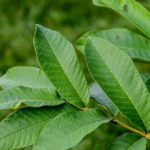 In this article, we’ll explore how guava leaves may support blood sugar control and how to prepare them properly to maximize their benefits. 🌱 Medicinal Properties of Guava Leaves Guava leaves are rich in beneficial compounds such as flavonoids, polyphenols, and carotenoids, which give them several important properties: These compounds help improve overall health and may…