
Dark purple bruises appearing on your arms can be concerning, especially if they seem to appear without any obvious cause. While waiting for your doctor’s appointment, it’s important to understand potential reasons for these bruises and how you can manage them in the meantime. Without immediate access to medical advice, knowing the basics about bruises and self-care can provide some reassurance and help you monitor your symptoms effectively.
Bruising is a common occurrence, often resulting from minor injuries that damage small blood vessels under the skin. However, when bruises appear frequently or without a clear cause, it might indicate an underlying issue. This article will guide you through steps you can take to assess and manage your bruises, from considering possible causes like senile purpura to practical tips for skin care and documentation.
1. Start By Asking: Could This Be Senile Purpura?
Senile purpura, also known as actinic purpura, is a common condition in older adults, characterized by the appearance of dark purple bruises on the arms and hands. These bruises occur because the skin and blood vessels become thinner and more fragile with age, making them more prone to damage from minor bumps and scrapes.
Typically, senile purpura bruises are larger than traditional bruises, often measuring 1 to 4 centimeters in diameter. They can appear suddenly and may take longer to heal. If you suspect senile purpura, note the size and frequency of the bruises, as this information will be useful for your doctor. While senile purpura is generally harmless, it’s important to rule out other potential causes for your bruising.
2. Take Clear Photos And Keep A Bruise Diary
Documenting your bruises can provide valuable information for both you and your healthcare provider. Start by taking clear, well-lit photos of each bruise as soon as you notice it. Include a ruler or a coin in the photo for scale to provide a point of reference for size.
In addition to photos, keep a diary noting the date each bruise appears, its location, size, and any associated symptoms (such as pain or swelling). This record can help identify patterns or triggers and is a useful tool for your doctor to assess your condition.
3. Review Your Medications, Supplements, And Home Remedies
Certain medications and supplements can increase your tendency to bruise. Blood thinners, aspirin, and some non-steroidal anti-inflammatory drugs (NSAIDs) can interfere with blood clotting, leading to easier bruising. Supplements such as fish oil, ginkgo biloba, and vitamin E may also have blood-thinning effects.
Review all medications, over-the-counter drugs, and supplements you are taking. If you find any that might contribute to bruising, do not stop taking them without consulting your doctor. Instead, make a note of them to discuss during your appointment.
4. Check For Red-Flag Symptoms That Need Urgent Care
While most bruises are harmless, certain symptoms warrant immediate medical attention. Look for signs such as bruises that appear suddenly and are very large, bruising that is accompanied by bleeding from the gums or nose, or if you experience unexplained weight loss, fatigue, or a fever.
If you notice any of these red-flag symptoms, seek medical care promptly, as they could indicate a more serious condition such as a blood clotting disorder or an underlying systemic issue.
5. Protect Your Skin From Minor Trauma You May Not Notice
The skin on your arms may be more vulnerable to minor trauma than you realize, especially if you have senile purpura. Try to minimize the risk of bumps and scrapes by wearing long sleeves or protective clothing when engaging in activities that might put your arms at risk.
Be mindful of sharp corners, door handles, and other potential sources of injury around your home or workplace. Gentle handling of your skin can help reduce the occurrence of new bruises.
6. Try Simple At-Home Care: Cold Packs, Elevation, And Rest
If you notice a bruise forming, applying a cold pack to the area can help reduce swelling and discomfort. Use a cloth to wrap the cold pack and apply it for 10-20 minutes at a time, with breaks in between.
Elevating the bruised area, if possible, and resting can also help minimize swelling and promote healing. Avoid strenuous activities that could exacerbate the bruising until it has had a chance to heal.
7. Rethink Viral Bruise “Cures” You See On Social Media
Social media is full of viral hacks and home remedies, some of which claim to cure bruises quickly. However, not all of these remedies are effective or safe. Be cautious of applying substances to your skin that could cause irritation or allergic reactions.
Common remedies like toothpaste or vinegar have no scientific backing for treating bruises and may do more harm than good. Stick to proven methods like cold packs and rest, and consult your doctor before trying new treatments.
8. Support Your Skin From The Inside: Diet, Hydration, And Lifestyle
A well-balanced diet rich in vitamins and minerals can support skin health and potentially reduce bruising. Ensure you’re getting enough vitamin C, which is vital for collagen production and skin strength, and vitamin K, which is involved in blood clotting.
Stay hydrated to maintain skin elasticity, and avoid excessive alcohol consumption, as it can affect blood clotting. A healthy lifestyle, including regular exercise and adequate sleep, can also support your overall well-being and skin health.
9. Be Gentle With Your Skin: Clothing, Sun, And Household Tasks
Choose soft, loose-fitting clothing that doesn’t rub against your skin, as friction can contribute to bruising. When outdoors, apply sunscreen to protect your skin from UV damage, which can further weaken blood vessels.
During household tasks, wear gloves or protective gear to shield your skin from accidental scrapes and bumps. Being mindful of your actions can help reduce the chances of new bruises forming.
10. Prepare For Your Delayed Doctor Visit So It’s More Useful
Maximize the usefulness of your doctor visit by preparing beforehand. Bring your bruise diary, photos, and a list of all medications and supplements you’re taking. Write down any questions or concerns you have about your bruising.
Be ready to discuss your medical history and any recent changes in your health or lifestyle. This preparation will help your doctor make a more accurate assessment and determine if further tests or treatments are necessary.
11. Know When Persistent Bruising Might Be More Than Senile Purpura
While senile purpura is common, persistent or unexplained bruising can sometimes indicate more serious conditions such as blood disorders, liver disease, or nutritional deficiencies. If your bruises are not improving or are accompanied by other symptoms, further investigation may be needed.
Communicate any concerns with your doctor, especially if you have a family history of bleeding disorders or have recently started new medications. Early detection and treatment can prevent complications.
12. Coping Emotionally With Visible Bruises And Skin Changes
Visible bruises can affect your emotional well-being, leading to self-consciousness or anxiety about your appearance. Remember that skin changes are a normal part of aging, and you are not alone in experiencing them.
Seek support from friends, family, or communities who understand what you’re going through. If the emotional impact of your bruising becomes overwhelming, consider speaking with a mental health professional who can provide guidance and support.Chia sẻ
- Nutritious Cinnamon and Aloe Vera Drink to Support Your Health
 In the ongoing search for a healthier lifestyle, more and more people are becoming interested in natural remedies and recipes that promote overall well-being. One ingredient often used in this context is aloe vera, a plant traditionally valued for its soothing properties and potential health benefits. In this article, we’ll introduce a simple and refreshing drink…
 - 15 Signs That Your Liver Is in Danger (And What to Do About It)
 Your liver is one of the most important organs in your body. It filters toxins, supports digestion, and helps regulate metabolism. However, liver problems often develop silently, showing subtle warning signs that are easy to ignore—until it’s too late. In this article, we’ll explore 15 signs that your liver is in danger, so you can take…
 - The Essential Vitamin That May Help Relieve Leg and Bone Pain
 Have you ever experienced unexplained pain in your legs or bones? If so, you may wonder whether a vitamin deficiency could be contributing to the problem. In this article, we’ll explore vitamin D, its importance for bone and muscle health, natural sources, and practical ways to support your overall well-being. The Importance of Vitamins for Bone…
 - Benefits, Properties, and How to Prepare It at Home
 Guava leaf tea has become one of the most popular traditional herbal infusions for people looking for a simple and affordable way to support their overall well-being. Made from the leaves of the guava tree, this traditional drink is known for its antioxidant properties and its traditional use for digestive comfort. Many people drink it as…
 - The Plant Gaining Attention for Supporting Eye Health
 Discover a Natural Way to Care for Your Vision 👁️ Introduction Millions of people around the world experience eye discomfort every day—including blurred vision, light sensitivity, screen-related eye fatigue, dryness, or a constant reliance on glasses. As modern life places increasing demands on our eyes, many people are turning to nature in search of gentle,…
 - The Natural Juice Blend That Is Getting Attention in 2026
 The natural juice blend tipped to be a trend in 2026: Soursop, Guava, and Tomato. In a world where chronic diseases such as diabetes, cancer, and hypertension place increasing pressure on healthcare systems, more people are looking for safe, natural ways to support their health. Although prescribed medications remain essential, interest in complementary approaches based…
 - What Happens to Your Body When You Start Eating Garlic Before Bed?
 Many people struggle to get a good night’s sleep. They may wake up several times during the night or still feel tired even after what seems like enough rest. This fatigue can affect energy, mood, and everyday activities. As a result, more people are exploring natural habits that may support better sleep. But could a…
 - A Gentle Green Ally for Kidney and Joint Health
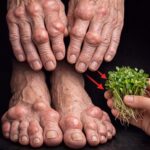 If you have ever experienced the persistent discomfort of kidney stones or the sudden pain of gout, you know how much these conditions can interfere with everyday life. Although there is no single solution that works for everyone, nature offers a variety of plants that have been traditionally used to support well-being, and one of…
 - Over 60? You Might Be Missing These 10 Silent Mini Stroke Warning Signs
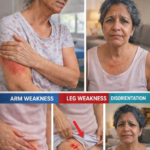 Introduction As we age, the risk of stroke increases—especially after 60. But what many people don’t realize is that mini strokes (also called TIAs – transient ischemic attacks) often happen with subtle or “silent” symptoms. Ignoring these early warning signs can be dangerous. A mini stroke is often a serious red flag that a major stroke could occur soon.…
 - A Simple Nighttime Ritual to Improve Deep Sleep Naturally
 Getting quality sleep isn’t a luxury—it’s a necessity. Yet for many people, falling asleep quickly and staying asleep through the night can feel like a constant battle. Instead of turning to medications, more people are exploring gentle, natural solutions that support the body’s own sleep cycle. One surprisingly effective option? A warm banana and cinnamon…
 - Benefits, Recipe, and How to Enjoy This Powerful Herbal Infusion
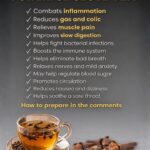 Clove tea is a fragrant herbal infusion with a distinctive, warm flavor that has been used for centuries for its medicinal properties. This comforting drink is not only delicious but also packed with health benefits. In this article, you’ll learn what clove tea is, how to prepare it, its health benefits, and creative ways to…
 - Healthy Juice for Eye Health and Memory: Supports Cataract, Glaucoma, Migraine, and Memory Issues
 🥤 Natural Juice for Vision and Brain Health Introduction Do you struggle with blurred vision, cataracts, glaucoma, migraines, or memory problems? These conditions often develop with age or due to unhealthy lifestyle habits. Fortunately, nature offers a simple and effective solution: a nutrient-rich natural juice packed with essential vitamins and antioxidants. This powerful recipe combines orange,…
 - The Living Amulet That “Prays” for Abundance
 Did you know there’s a plant that moves as if it had a will of its own? It’s not science fiction—it’sMaranta leuconeura, commonly known as thePrayer Plant. Beyond being a stunning decorative piece, this tropical beauty is believed to bring luck, gratitude, and prosperity into your home. Its unique behavior and symbolic meaning have made it a…
 - A Natural Remedy Gaining Attention After 40
 in today’s digital world, eye strain, dryness, and blurred vision have become everyday struggles—especially for adults over 40. Long hours on screens, environmental stressors, and natural aging all contribute to declining eye comfort and clarity. But what if relief didn’t always have to come from expensive drops or supplements? A humble plant known as Euphorbia hirta is…
 - A Natural Ally for Blood Sugar Control
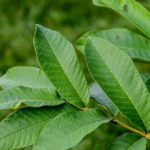 In this article, we’ll explore how guava leaves may support blood sugar control and how to prepare them properly to maximize their benefits. 🌱 Medicinal Properties of Guava Leaves Guava leaves are rich in beneficial compounds such as flavonoids, polyphenols, and carotenoids, which give them several important properties: These compounds help improve overall health and may…