
Cancer is one of the most complex diseases in modern medicine. While genetics, environmental exposure, and lifestyle all play roles, growing scientific evidence shows that what we eat every day can significantly influence cancer risk. Diet alone does not cause cancer, but certain foods can create conditions that help cancer cells grow or increase the likelihood of developing tumors over time.
Many common foods in the modern diet—especially highly processed ones—have been linked to increased inflammation, DNA damage, and metabolic changes that may contribute to cancer development. Understanding these dietary risks allows you to make smarter food choices that support long-term health.
Below are five types of foods often associated with higher cancer risk, along with practical strategies to protect your body.
1. Processed Meats
Processed meats are among the most studied dietary risk factors linked to cancer. These include:
- Bacon
- Sausages
- Hot dogs
- Ham
- Salami
- Deli meats
Health organizations have classified processed meats as carcinogenic to humans, meaning there is strong evidence they can cause cancer.
The main concern lies in preservatives such as nitrates and nitrites, which can form harmful compounds in the body that damage cells and DNA. Over time, this damage may contribute to cancers—especially colorectal cancer.
Research suggests that eating about 50 grams of processed meat daily may increase the risk of colorectal cancer by roughly 18%.
Healthier alternatives
Instead of processed meats, choose:
Reducing processed meat intake even a few days a week can lower exposure to harmful compounds.
2. Red Meat (When Consumed in Excess)
Red meat—including beef, pork, and lamb—can be part of a balanced diet in moderate amounts. However, heavy consumption has been associated with increased cancer risk.
Red meat has been classified as “probably carcinogenic” due to links with colorectal cancer in many studies.
Two major factors explain this connection:
1. Heme iron
Red meat contains heme iron, which may promote oxidative damage to cells and DNA.
2. High-temperature cooking
Grilling, frying, or broiling meat can produce carcinogenic compounds that may increase cancer risk.
Smarter ways to eat meat
Moderation is key rather than complete elimination.
3. Ultra-Processed Foods
Ultra-processed foods dominate many modern diets. These include:
- Packaged snacks
- Frozen meals
- Instant noodles
- Processed desserts
- Fast food
Such foods often contain high amounts of salt, sugar, unhealthy fats, and artificial additives, while lacking fiber and essential nutrients.
Studies have linked higher consumption of ultra-processed foods with increased risk of several cancers, especially digestive system cancers.
One reason is that these foods can contribute to weight gain and obesity, a known risk factor for multiple types of cancer.
Better choices
Replace ultra-processed foods with:
Even simple swaps—like cooking more meals at home—can significantly reduce ultra-processed food intake.
4. Sugary Drinks and Excess Added Sugar
Sugary beverages such as sodas, sweetened teas, and energy drinks may not directly cause cancer, but they contribute to weight gain, insulin resistance, and chronic inflammation, which can raise cancer risk.
These drinks often deliver large amounts of sugar without providing nutrients or satiety, leading to higher calorie intake overall.
Long-term overconsumption of sugary drinks has been linked to obesity, which increases the risk of several cancers, including breast, colon, and pancreatic cancer.
Healthier beverage options
Consider replacing sugary drinks with:
Reducing sugary drinks is one of the easiest ways to improve overall health.
5. Alcohol
Alcohol is another widely consumed substance linked to cancer risk. When alcohol is metabolized in the body, it produces acetaldehyde, a toxic compound that can damage DNA.
Heavy alcohol consumption has been associated with several cancers, including:
- Liver cancer
- Breast cancer
- Colorectal cancer
- Esophageal cancer
Cancer prevention experts recommend limiting alcohol intake or avoiding it altogether to reduce risk.
If you drink alcohol
Small lifestyle adjustments can make a meaningful difference over time.
How to Safeguard Your Health
Reducing cancer risk isn’t about eliminating every potentially harmful food—it’s about building a balanced lifestyle that supports long-term health.
1. Focus on whole foods
Base your diet on:
- Vegetables
- Fruits
- Whole grains
- Beans and legumes
- Healthy fats
2. Increase fiber intake
Fiber helps support gut health and may reduce the risk of colorectal cancer by improving digestion and reducing inflammation.
3. Maintain a healthy weight
Obesity is linked to many types of cancer, making weight management an important prevention strategy.
4. Stay physically active
Regular exercise helps regulate hormones, improve metabolism, and reduce inflammation.
5. Cook smarter
Use cooking methods like:
- Baking
- Steaming
- Slow cooking
These produce fewer harmful compounds compared to charring or deep frying.
The Bottom Line
No single food “feeds cancer” by itself, but long-term dietary patterns play a major role in cancer risk. Limiting processed meats, reducing ultra-processed foods, cutting back on sugary drinks and alcohol, and moderating red meat intake can help create a healthier internal environment.
The good news is that prevention doesn’t require extreme diets. Small, consistent changes—like cooking more whole foods, adding vegetables to meals, and reducing processed snacks—can go a long way toward protecting your health.
Your daily food choices may seem small, but over time, they can shape your body’s resilience against chronic disease—including cancer.
- Nutritious Cinnamon and Aloe Vera Drink to Support Your Health
 In the ongoing search for a healthier lifestyle, more and more people are becoming interested in natural remedies and recipes that promote overall well-being. One ingredient often used in this context is aloe vera, a plant traditionally valued for its soothing properties and potential health benefits. In this article, we’ll introduce a simple and refreshing drink…
 - 15 Signs That Your Liver Is in Danger (And What to Do About It)
 Your liver is one of the most important organs in your body. It filters toxins, supports digestion, and helps regulate metabolism. However, liver problems often develop silently, showing subtle warning signs that are easy to ignore—until it’s too late. In this article, we’ll explore 15 signs that your liver is in danger, so you can take…
 - The Essential Vitamin That May Help Relieve Leg and Bone Pain
 Have you ever experienced unexplained pain in your legs or bones? If so, you may wonder whether a vitamin deficiency could be contributing to the problem. In this article, we’ll explore vitamin D, its importance for bone and muscle health, natural sources, and practical ways to support your overall well-being. The Importance of Vitamins for Bone…
 - Benefits, Properties, and How to Prepare It at Home
 Guava leaf tea has become one of the most popular traditional herbal infusions for people looking for a simple and affordable way to support their overall well-being. Made from the leaves of the guava tree, this traditional drink is known for its antioxidant properties and its traditional use for digestive comfort. Many people drink it as…
 - The Plant Gaining Attention for Supporting Eye Health
 Discover a Natural Way to Care for Your Vision 👁️ Introduction Millions of people around the world experience eye discomfort every day—including blurred vision, light sensitivity, screen-related eye fatigue, dryness, or a constant reliance on glasses. As modern life places increasing demands on our eyes, many people are turning to nature in search of gentle,…
 - The Natural Juice Blend That Is Getting Attention in 2026
 The natural juice blend tipped to be a trend in 2026: Soursop, Guava, and Tomato. In a world where chronic diseases such as diabetes, cancer, and hypertension place increasing pressure on healthcare systems, more people are looking for safe, natural ways to support their health. Although prescribed medications remain essential, interest in complementary approaches based…
 - What Happens to Your Body When You Start Eating Garlic Before Bed?
 Many people struggle to get a good night’s sleep. They may wake up several times during the night or still feel tired even after what seems like enough rest. This fatigue can affect energy, mood, and everyday activities. As a result, more people are exploring natural habits that may support better sleep. But could a…
 - A Gentle Green Ally for Kidney and Joint Health
 If you have ever experienced the persistent discomfort of kidney stones or the sudden pain of gout, you know how much these conditions can interfere with everyday life. Although there is no single solution that works for everyone, nature offers a variety of plants that have been traditionally used to support well-being, and one of…
 - Over 60? You Might Be Missing These 10 Silent Mini Stroke Warning Signs
 Introduction As we age, the risk of stroke increases—especially after 60. But what many people don’t realize is that mini strokes (also called TIAs – transient ischemic attacks) often happen with subtle or “silent” symptoms. Ignoring these early warning signs can be dangerous. A mini stroke is often a serious red flag that a major stroke could occur soon.…
 - A Simple Nighttime Ritual to Improve Deep Sleep Naturally
 Getting quality sleep isn’t a luxury—it’s a necessity. Yet for many people, falling asleep quickly and staying asleep through the night can feel like a constant battle. Instead of turning to medications, more people are exploring gentle, natural solutions that support the body’s own sleep cycle. One surprisingly effective option? A warm banana and cinnamon…
 - Benefits, Recipe, and How to Enjoy This Powerful Herbal Infusion
 Clove tea is a fragrant herbal infusion with a distinctive, warm flavor that has been used for centuries for its medicinal properties. This comforting drink is not only delicious but also packed with health benefits. In this article, you’ll learn what clove tea is, how to prepare it, its health benefits, and creative ways to…
 - Healthy Juice for Eye Health and Memory: Supports Cataract, Glaucoma, Migraine, and Memory Issues
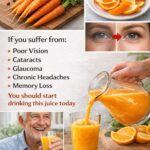 🥤 Natural Juice for Vision and Brain Health Introduction Do you struggle with blurred vision, cataracts, glaucoma, migraines, or memory problems? These conditions often develop with age or due to unhealthy lifestyle habits. Fortunately, nature offers a simple and effective solution: a nutrient-rich natural juice packed with essential vitamins and antioxidants. This powerful recipe combines orange,…
 - The Living Amulet That “Prays” for Abundance
 Did you know there’s a plant that moves as if it had a will of its own? It’s not science fiction—it’sMaranta leuconeura, commonly known as thePrayer Plant. Beyond being a stunning decorative piece, this tropical beauty is believed to bring luck, gratitude, and prosperity into your home. Its unique behavior and symbolic meaning have made it a…
 - A Natural Remedy Gaining Attention After 40
 in today’s digital world, eye strain, dryness, and blurred vision have become everyday struggles—especially for adults over 40. Long hours on screens, environmental stressors, and natural aging all contribute to declining eye comfort and clarity. But what if relief didn’t always have to come from expensive drops or supplements? A humble plant known as Euphorbia hirta is…
 - A Natural Ally for Blood Sugar Control
 In this article, we’ll explore how guava leaves may support blood sugar control and how to prepare them properly to maximize their benefits. 🌱 Medicinal Properties of Guava Leaves Guava leaves are rich in beneficial compounds such as flavonoids, polyphenols, and carotenoids, which give them several important properties: These compounds help improve overall health and may…