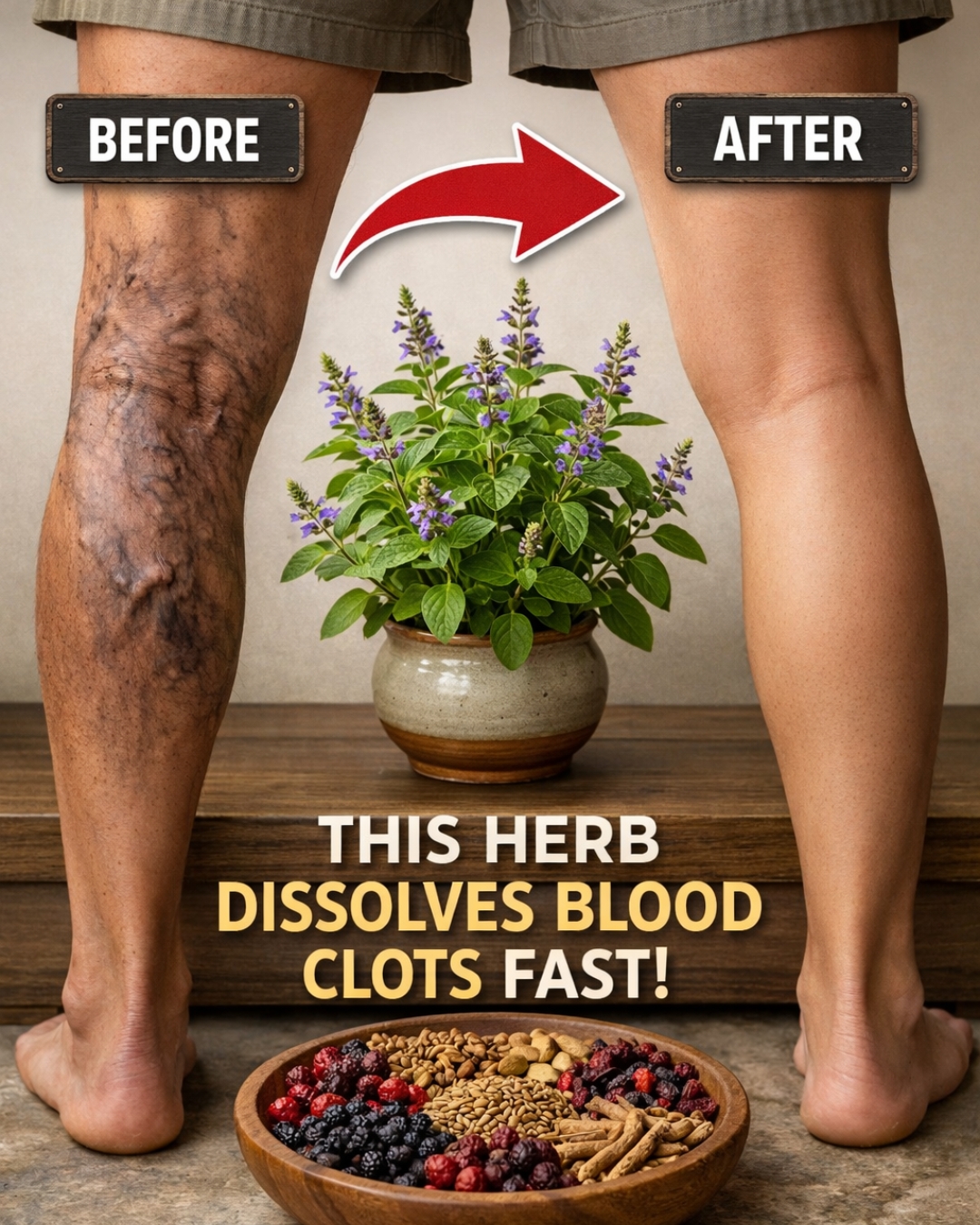
Have you ever reached the end of the day with legs that feel heavy, like you’re wearing invisible ankle weights? You take off your shoes and notice deep marks on your skin, swollen ankles, or a strange feeling of pressure that just won’t go away. Sometimes there are night cramps, a burning sensation, or veins that suddenly seem more visible—making you think twice before wearing shorts.
Here’s the uncomfortable truth: many people brush these signs off as “normal” because of age, heat, or sitting too long. But in some cases, they can point to circulation that isn’t working at its best. And when blood doesn’t flow well, the risk of more serious problems—like clot formation—can increase.
Take a breath. This isn’t meant to scare you. It’s meant to give you clarity.
Yes, there are herbs that may support circulation and vascular comfort. But there’s something almost no one tells you: if there’s a real risk of thrombosis or serious vascular disease, natural remedies do not replace medical care. What herbs can do is support daily comfort, help manage mild inflammation, and complement healthier habits.
In this guide, you’ll learn:
- Which herbs are most often mentioned for leg circulation
- How they’re commonly used, safely and realistically
- What to avoid if you’re taking blood thinners
- And how to build a simple, sensible routine that actually helps
No miracle promises. Just smart, practical support.
Why Poor Leg Circulation Can Become a Real Problem
Your legs rely on a smart system: veins, valves, and muscle contractions that push blood back up toward the heart. When you sit or stand for long periods, or move very little, that “pump” works less efficiently. Blood can start to pool, leading to classic symptoms like:
- Swelling in the ankles or calves
- A heavy or tired feeling in the legs
- Dull pain, tingling, or warmth
- Night cramps or restlessness
In some cases, poor circulation contributes to more serious venous issues. The biggest concern is when a deep vein clot forms, because it can travel to the lungs and become life-threatening.
Does leg pain always mean a clot? No.
But you should know the warning signs that need urgent medical care:
If those appear, that’s not a “tea problem.” That’s a medical emergency.
So where do herbs fit in? In the support zone: helping with comfort, mild inflammation, and that heavy-leg feeling—while you also improve movement, hydration, and daily habits.
What People Expect vs. What’s Realistic
You might be thinking: “Just tell me the strongest herb and I’m done.”
Totally understandable. But the body doesn’t work like a light switch.
What’s realistic:
Some herbs may help your circulation feel smoother, reduce mild inflammation, and make your legs feel lighter—especially if the issue is mild or functional.
What’s not realistic (and can be dangerous):
“Dissolving dangerous clots at home.” That’s a risky myth. Even worse, some people mix “natural blood thinners” with prescription medications and create serious bleeding risks.
So let’s do this the smart way.
Countdown: 9 Potential Benefits (No Miracle Promises)
9) A lighter feeling at the end of the day
Many people notice less heaviness and easier walking—not because blood becomes “magical,” but because reducing inflammation and moving more changes how your legs feel.
8) Support for microcirculation and peripheral comfort
Some herbs are studied for their effects on small blood vessels. This can mean fewer cold or “numb” feet and hands for some people.
7) Help with inflammation that worsens heaviness
Chronic inflammation can make vessels less flexible and fluid retention more likely. Anti-inflammatory compounds may support overall comfort when used consistently and moderately.
6) Mild effects on platelets (this is important)
Garlic, ginger, and ginkgo are often mentioned for their influence on platelet aggregation. That’s not “bad,” but it does mean caution—especially if you use blood thinners or have surgery planned.
5) A tea ritual can push you to move more
It sounds simple, but it works: people who make a “leg circulation tea” often pair it with a short walk or leg elevation. And that truly helps venous return.
4) Support for less ankle swelling
When venous flow is slow, fluid builds up. Some people notice less swelling when they combine hydration, less salt, walking, and anti-inflammatory herbs.
3) More confidence in your body
Heavy, tired legs make people avoid movement. Feeling even 10% better can restore motivation—and movement improves circulation in a real, measurable way.
2) Easy to combine with simple diet changes
Garlic, ginger, turmeric, and chili are already common in many kitchens. You don’t need exotic supplements or expensive routines.
1) A realistic lifestyle routine that lowers long-term risk
The real win isn’t one herb. It’s the routine: walking, hydrating, reducing ultra-processed foods, managing weight, moving your ankles, elevating your legs—and yes, using herbs wisely as support.
The 5 Most Mentioned Herbs (and Why People Use Them)
1) Ginger – Warming and stimulating
Ginger contains compounds like gingerols, studied for anti-inflammatory effects and mild influence on platelets. Many people use it for the feeling of “active circulation.”
How it’s used:
Fresh slices in hot water, steeped 8–10 minutes. Lemon is a common add-on.
Caution: If you use blood thinners or have strong gastritis, talk to a professional first.
2) Garlic – The classic cardiovascular ally
Garlic is linked to cardiovascular health thanks to compounds like allicin. It’s often mentioned for possible anti-platelet effects and support for vascular flexibility in dietary contexts.
How it’s used:
Raw in food (most common) or gently infused.
Caution: Can irritate the stomach and increase bleeding risk when combined with anticoagulants.
3) Cayenne – The “fire” that stimulates
Capsaicin from chili peppers creates a warming sensation and may promote vasodilation. In many cuisines, it’s an easy, natural way to support that “warm flow” feeling.
How it’s used:
A small pinch in food, or very mild warm drinks (not for everyone).
Caution: Avoid if you have reflux, gastritis, or sensitive digestion.
4) Turmeric – The golden anti-inflammatory
Turmeric is studied for curcumin, known for anti-inflammatory potential. Many people use it for less stiffness and better overall comfort.
How it’s used:
In warm milk or water; a pinch of black pepper may improve absorption.
Caution: May interact with blood-thinning medication in some cases. Don’t overdo it.
5) Ginkgo biloba – Focus on microcirculation
Ginkgo is traditionally used for microcirculation and has been studied for compounds that influence peripheral blood flow and platelet activity.
How it’s used:
As a tea or standardized extract (more controlled dosing).
Caution: Do not combine with blood thinners or antiplatelet drugs without supervision.
Quick Comparison Table
| Herb | Main Potential Benefit | Key Compound | Common Use |
|---|---|---|---|
| Ginger | Warming, anti-inflammatory | Gingerols | Tea/infusion |
| Garlic | Cardiovascular support | Allicin | Food or mild tea |
| Cayenne | Sensory circulation стимulus | Capsaicin | Cooking |
| Turmeric | Anti-inflammatory support | Curcumin | Warm drinks/food |
| Ginkgo | Microcirculation support | Flavonoids/terpenes | Tea or extract |
How to Use Them Safely (Without Playing Doctor)
Rule #1:
If you take blood thinners (like warfarin), antiplatelet drugs (like aspirin), or have surgery coming up—talk to a professional first.
Rule #2:
Start with one herb. Not five. If something bothers your stomach or causes issues, you’ll know what caused it.
Rule #3:
Pair herbs with habits that actually improve venous circulation:
Two Short Stories: Why Consistency Wins
Carmen (65, Monterrey) had swollen, heavy legs when walking. She started drinking warm ginger tea in the afternoon and taking short walks after meals. After a few weeks, she noticed less heaviness and more energy to move. It wasn’t a “cure.” It was a routine shift.
Raúl (59, Guadalajara) works standing up. He began elevating his legs for 10 minutes after work and using garlic and turmeric in daily meals. He noticed fewer night cramps and less ankle pressure. His key wasn’t intensity—it was repetition.
Same pattern: the herb supports, the routine delivers results.
Final Thoughts: The Smart Combination Is Your Best Defense
If your legs feel heavy, swollen, or tired, don’t ignore it. Observe, adjust, and choose safe support. Herbs like ginger, garlic, cayenne, turmeric, and ginkgo can be helpful allies for circulatory comfort, but they do not replace medical evaluation when there are warning signs or real clot risks.
Start simple today: a short walk, water, leg elevation, and one gentle infusion. And if you use medications that affect blood clotting, always check before trying “strong” herbal combinations.
If you found this realistic approach helpful, save it and share it with someone who always says: “It’s normal that my legs hurt.”
Sometimes what’s common isn’t what’s best to accept.
- Natural Pre-Workout Power: Boost Energy with Bitter Kola, Coconut Water & Alligator Pepper
 n today’s fitness world, the shift toward clean, natural performance enhancers is stronger than ever. Athletes and wellness enthusiasts are moving away from artificial energy drinks and turning to plant-based solutions that fuel the body without unwanted side effects. One powerful combination gaining attention is bitter kola, coconut water, and alligator pepper — a natural blend designed … Read more
 - How to Make a Simple Infusion with Cinnamon, Cloves, Garlic, Ginger, Lemon, and Onion for Your Daily Wellness Routine
 Why These Everyday Ingredients Deserve a Place in Your Kitchen You probably already have most of these items on hand, which makes this recipe feel instantly approachable. But here’s what makes the combination special: when simmered together, they create a warm, aromatic infusion that many people enjoy as part of their daily self-care ritual. The … Read more
 - Homemade Hair Dye for Gray Hair: Natural Recipe to Darken Hair and Boost Growth
 Are you looking for a natural way to cover gray hair without using harsh chemicals? This simple homemade hair dye made with everyday ingredients like coffee, cinnamon, and cloves is gaining popularity for its ability to darken gray hair naturally while also helping stimulate hair growth. In this article, you’ll learn how this DIY remedy works, its benefits, and how to prepare … Read more
 - The Powerful Herb to Cleanse, Heal, and Protect Your Body Naturally
 Thyme is more than just a kitchen herb—it’s a powerful natural remedy used for centuries to support overall health. Packed with antioxidants, antibacterial compounds, and essential nutrients, thyme is gaining attention as a natural solution for cleansing, healing, and protecting the body. In this article, discover the health benefits of thyme, how it works, and how to use it … Read more
 - Have You Ever Wondered If Everyday Eggshells Could Support Your Joint Comfort in Simple Ways?
 Many people notice that as the years go by, everyday movements like climbing stairs or getting up from a chair can feel a bit more challenging. Stiffness after sitting for a while or mild discomfort during daily activities becomes more common, especially around the knees. This can make simple tasks feel tiring and limit the … Read more
 - Natural Ways to Support Kidney Health Through Everyday Habits
 Many people notice subtle changes in their energy levels and daily comfort as they get older, especially when it comes to how their body handles fluids and waste. These changes can feel frustrating and worrying, making simple tasks like staying hydrated or enjoying favorite foods feel more challenging. But there are gentle, everyday approaches that … Read more
 - A Simple Daily Habit for Supporting Your Body’s Natural Wellness
 Many people today feel constantly tired, notice their skin looking dull, or struggle with occasional bloating after meals. These everyday discomforts often leave us searching for small changes that can make a real difference in how we feel day to day. That is why so many are turning to simple, natural ingredients like celery as … Read more
 - Drink This Every Day and Watch Your Sugar Levels Drop Naturally
 Dealing with unsteady blood sugar can feel like a silent battle that drains your energy without much warning, leaving you foggy, irritable, and constantly reaching for snacks just to get through the day. As years pass, especially after 60, your body’s natural ability to handle glucose slows down, turning minor spikes into bigger struggles that … Read more
 - 8 Health Benefits of Anise Seeds for Women: A Natural Remedy Backed by Tradition & Science
 Did you know that over 75% of women experience hormonal imbalances, digestive discomfort, or menopausal symptoms at some point in their lives? Yet, many rely on temporary solutions that fail to address the root cause. Now imagine sipping a warm, aromatic cup of anise tea—its naturally sweet, licorice-like flavor soothing your body, easing bloating, balancing … Read more
 - Natural Support for Eye Health
 Heliotrope, locally known as Akonfemtikro, has been traditionally used in herbal medicine to support eye health. Many natural remedy practitioners believe that fresh heliotrope leaves can help with common eye issues when prepared properly and used with care. In this article, we explore how heliotrope is used as a natural remedy for eye problems, including preparation, … Read more
 - Helpful Habit or Risk You Should Know?
 You quietly avoid certain smells or remedies because you once tried something that left you embarrassed or uncomfortable in front of family or friends. Maybe it was a home remedy that tasted strange or made you question if it was even safe. The discomfort stays in your mind, and yet the curiosity never really leaves. … Read more
 - Taro Root Secret Most People Ignore Could Your Daily Habit Be Missing It
 Many older adults quietly feel embarrassed when their body begins to slow down. Digestion feels heavier than before, energy fades faster, and simple meals no longer feel as comforting as they once did. The uncomfortable truth is that many of these issues come from everyday eating habits that slowly drift away from natural, fiber rich … Read more
 - How These Leaves May Help Cleanse Your Gut and Liver
 Introduction Candida infections are among the most common fungal infections worldwide. They can affect various parts of the body, especially the gut, mouth, and skin. While medical treatments are available, many people are turning to natural remedies to support their health and restore balance. Some plants and natural ingredients are often described as “bacteria killers” due to their antimicrobial … Read more
 - Homemade Antioxidant Blend to Boost Your Immune System
 In recent years, more people have been searching for natural ways to strengthen their bodies, enhance the immune system, and support overall metabolic health. Modern lifestyle habits—such as poor diet, chronic stress, and lack of physical activity—have contributed to a significant rise in conditions like type 2 diabetes, hypertension, and even certain cancers. While no … Read more
 - 3 Safe Ways to Use Guava Leaves for Oral Care at Home
 Introduction: A Simple Natural Support for Everyday Oral Health Tooth sensitivity, visible stains, and early signs of decay often start quietly—but over time, they can become daily discomforts that affect eating, smiling, and confidence. Many people feel stuck choosing between expensive dental products or ignoring the issue altogether. What many don’t realize is that a … Read more