
Many people notice that their bodies react differently to the same diet or workout routine. While consistency and habits matter, these differences are not only about discipline. They are often linked to your natural body structure, also known as body morphology or somatotype.
Understanding your body type can help you make smarter choices, respect your limits, and build routines that support long-term health and well-being—without chasing unrealistic standards.
Body Morphology: A Tool for Self-Knowledge, Not Labels
The classic profiles—ectomorph, mesomorph, and endomorph—were created to describe general physical tendencies. They are not meant to put anyone in a box or define what you can or cannot achieve. Instead, they work as a practical guide to help you understand how your body tends to respond to food, exercise, and rest.
Most importantly, the goal is not to “fit” a category, but to use this knowledge to take better care of yourself, choose activities you enjoy, and build habits that feel sustainable.
Let’s take a closer look at each type and how to make the most of its natural characteristics.
Ectomorph: Light Structure That Needs Enough Energy
Ectomorphs usually have a slim, elongated frame, narrower shoulders, and a lighter overall appearance. They often have a fast metabolism, which means they tend to burn energy quickly.
Common characteristics
How to support an ectomorph body
Because ectomorphs burn energy quickly, regular and nourishing meals are essential. Skipping meals or eating too little can easily lead to fatigue and low energy levels.
Helpful habits:
- Focus on complete meals with whole grains, legumes, healthy fats (nuts, seeds, olive oil), and good protein sources.
- Don’t fear calories—your body often needs more fuel than you think.
- Prioritize strength and full-body exercises to improve stability and overall strength.
- Respect recovery: good sleep and rest days help prevent excessive fatigue.
The goal is not to “bulk up” at all costs, but to maintain steady energy, strength, and overall well-being.
Mesomorph: Natural Balance That Needs Consistency
Mesomorphs are often described as having a naturally balanced and athletic-looking structure. They usually respond well to training and can gain strength or muscle more easily.
Common characteristics
How to support a mesomorph body
Because mesomorphs tend to adapt quickly, the key is variety and balance. Repeating the same routine for too long can lead to plateaus or overuse issues.
Helpful habits:
- Alternate between intense workouts, moderate sessions, and dynamic activities (sports, mobility work, or light cardio).
- Keep your routine diverse to challenge different muscle groups and energy systems.
- Follow a balanced diet with quality proteins, vegetables, whole grains, and healthy fats.
- Pay attention to recovery to avoid doing too much, too often.
For mesomorphs, consistency and balance help maintain performance, energy, and long-term health.
Endomorph: Solid Structure With Great Adaptive Potential
Endomorphs usually have a rounder, more robust structure and a naturally solid build. Their bodies often respond very well to consistent habits, even if changes take a bit more patience.
Common characteristics
How to support an endomorph body
The focus here is not restriction or pressure, but building habits that feel sustainable and supportive.
Helpful habits:
- Choose satisfying, balanced meals with plenty of colorful vegetables, light but sufficient protein, and quality fats.
- Focus on regular meal timing and mindful portions rather than extremes.
- Combine dynamic activities (like walking, cycling, or swimming) with resistance training to build strength and support metabolism.
- Progress gradually and avoid comparing your pace to others.
With consistency and patience, endomorph bodies often show excellent long-term adaptation and resilience.
Most People Are a Mix of More Than One Type
In real life, very few people fit perfectly into just one category. Many are a combination of two types—like ecto-mesomorph or meso-endomorph. This also explains why your body may change over time due to age, lifestyle, stress, or activity level.
That’s why the most important skill is self-observation:
- Do you need more energy from food?
- Do you feel better with gentler activities or more intense ones?
- Do you recover quickly, or do you need more rest?
Your body constantly sends signals. Learning to listen to them is more useful than any label.
How to Use Your Body Type in a Practical Way
Here’s a simple, realistic summary:
- Ectomorph: Prioritize regular, complete meals and enough rest to maintain energy.
- Mesomorph: Keep a balance of varied activities and a diverse, nutritious diet.
- Endomorph: Focus on colorful, satisfying meals and dynamic exercise that matches your rhythm.
Remember: your body type does not limit your potential. It simply points you toward smarter, kinder strategies to take care of yourself.
A Healthier Relationship With Your Body
Understanding your morphology is not about chasing a certain look. It’s about:
When you work with your body instead of against it, progress feels more natural—and well-being becomes much easier to sustain.
- Nutritious Cinnamon and Aloe Vera Drink to Support Your Health
 In the ongoing search for a healthier lifestyle, more and more people are becoming interested in natural remedies and recipes that promote overall well-being. One ingredient often used in this context is aloe vera, a plant traditionally valued for its soothing properties and potential health benefits. In this article, we’ll introduce a simple and refreshing drink…
 - 15 Signs That Your Liver Is in Danger (And What to Do About It)
 Your liver is one of the most important organs in your body. It filters toxins, supports digestion, and helps regulate metabolism. However, liver problems often develop silently, showing subtle warning signs that are easy to ignore—until it’s too late. In this article, we’ll explore 15 signs that your liver is in danger, so you can take…
 - The Essential Vitamin That May Help Relieve Leg and Bone Pain
 Have you ever experienced unexplained pain in your legs or bones? If so, you may wonder whether a vitamin deficiency could be contributing to the problem. In this article, we’ll explore vitamin D, its importance for bone and muscle health, natural sources, and practical ways to support your overall well-being. The Importance of Vitamins for Bone…
 - Benefits, Properties, and How to Prepare It at Home
 Guava leaf tea has become one of the most popular traditional herbal infusions for people looking for a simple and affordable way to support their overall well-being. Made from the leaves of the guava tree, this traditional drink is known for its antioxidant properties and its traditional use for digestive comfort. Many people drink it as…
 - The Plant Gaining Attention for Supporting Eye Health
 Discover a Natural Way to Care for Your Vision 👁️ Introduction Millions of people around the world experience eye discomfort every day—including blurred vision, light sensitivity, screen-related eye fatigue, dryness, or a constant reliance on glasses. As modern life places increasing demands on our eyes, many people are turning to nature in search of gentle,…
 - The Natural Juice Blend That Is Getting Attention in 2026
 The natural juice blend tipped to be a trend in 2026: Soursop, Guava, and Tomato. In a world where chronic diseases such as diabetes, cancer, and hypertension place increasing pressure on healthcare systems, more people are looking for safe, natural ways to support their health. Although prescribed medications remain essential, interest in complementary approaches based…
 - What Happens to Your Body When You Start Eating Garlic Before Bed?
 Many people struggle to get a good night’s sleep. They may wake up several times during the night or still feel tired even after what seems like enough rest. This fatigue can affect energy, mood, and everyday activities. As a result, more people are exploring natural habits that may support better sleep. But could a…
 - A Gentle Green Ally for Kidney and Joint Health
 If you have ever experienced the persistent discomfort of kidney stones or the sudden pain of gout, you know how much these conditions can interfere with everyday life. Although there is no single solution that works for everyone, nature offers a variety of plants that have been traditionally used to support well-being, and one of…
 - Over 60? You Might Be Missing These 10 Silent Mini Stroke Warning Signs
 Introduction As we age, the risk of stroke increases—especially after 60. But what many people don’t realize is that mini strokes (also called TIAs – transient ischemic attacks) often happen with subtle or “silent” symptoms. Ignoring these early warning signs can be dangerous. A mini stroke is often a serious red flag that a major stroke could occur soon.…
 - A Simple Nighttime Ritual to Improve Deep Sleep Naturally
 Getting quality sleep isn’t a luxury—it’s a necessity. Yet for many people, falling asleep quickly and staying asleep through the night can feel like a constant battle. Instead of turning to medications, more people are exploring gentle, natural solutions that support the body’s own sleep cycle. One surprisingly effective option? A warm banana and cinnamon…
 - Benefits, Recipe, and How to Enjoy This Powerful Herbal Infusion
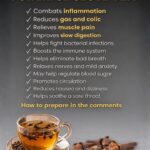 Clove tea is a fragrant herbal infusion with a distinctive, warm flavor that has been used for centuries for its medicinal properties. This comforting drink is not only delicious but also packed with health benefits. In this article, you’ll learn what clove tea is, how to prepare it, its health benefits, and creative ways to…
 - Healthy Juice for Eye Health and Memory: Supports Cataract, Glaucoma, Migraine, and Memory Issues
 🥤 Natural Juice for Vision and Brain Health Introduction Do you struggle with blurred vision, cataracts, glaucoma, migraines, or memory problems? These conditions often develop with age or due to unhealthy lifestyle habits. Fortunately, nature offers a simple and effective solution: a nutrient-rich natural juice packed with essential vitamins and antioxidants. This powerful recipe combines orange,…
 - The Living Amulet That “Prays” for Abundance
 Did you know there’s a plant that moves as if it had a will of its own? It’s not science fiction—it’sMaranta leuconeura, commonly known as thePrayer Plant. Beyond being a stunning decorative piece, this tropical beauty is believed to bring luck, gratitude, and prosperity into your home. Its unique behavior and symbolic meaning have made it a…
 - A Natural Remedy Gaining Attention After 40
 in today’s digital world, eye strain, dryness, and blurred vision have become everyday struggles—especially for adults over 40. Long hours on screens, environmental stressors, and natural aging all contribute to declining eye comfort and clarity. But what if relief didn’t always have to come from expensive drops or supplements? A humble plant known as Euphorbia hirta is…
 - A Natural Ally for Blood Sugar Control
 In this article, we’ll explore how guava leaves may support blood sugar control and how to prepare them properly to maximize their benefits. 🌱 Medicinal Properties of Guava Leaves Guava leaves are rich in beneficial compounds such as flavonoids, polyphenols, and carotenoids, which give them several important properties: These compounds help improve overall health and may…