
Many of us enjoy a little sweetness with our morning coffee or as a treat after dinner. As we reach our late 40s, 50s, and 60s, though, our bodies can become more sensitive to sugar than they used to be. A slice of cake, sweetened yogurt, or a sugary drink that once felt harmless may now leave you foggy, thirsty, or wide awake in the middle of the night. If you have been wondering whether sugar is playing a bigger role in how you feel day to day, this friendly, easy-to-follow guide can help you spot the clearest signs and make simple changes that still let you enjoy food.
There is no need for guilt or strict rules. The goal is to notice patterns, make small adjustments, and feel a little better with each choice. Remember that sugar hides in more places than dessert. It can show up in jarred pasta sauces, flavored coffees, crackers, cereals, salad dressings, granola bars, and even some foods advertised as healthy. Once you learn to read your body’s signals, it becomes much easier to guide your day toward steadier energy and fewer uncomfortable dips and spikes.
Before getting into the signs, it helps to know what is happening behind the scenes. Highly sweet foods and drinks tend to cause a rapid rise in blood sugar. Your body responds by trying to bring that level back down, which can lead to a quick drop. That rise-and-fall pattern is what often leaves you tired, cranky, or craving more sweets to boost yourself back up. Over time, that rollercoaster can influence mood, sleep, skin comfort, dental health, and even waist size. The encouraging news is that small tweaks—like pairing protein with carbohydrates or choosing less-sweet versions—can make a noticeable difference within days.
Health organizations generally suggest keeping added sugars modest, while recognizing that individual needs vary. A practical approach is to focus on mostly whole foods—vegetables, fruits, beans, lean proteins, and whole grains—and save very sweet choices for special moments. Reading labels for words such as cane sugar, corn syrup, dextrose, maltose, and fruit juice concentrates can help you spot hidden sugar. If you take medications or have health conditions that affect blood sugar, your healthcare provider can help tailor suggestions to you.

Think of the following signs as friendly signals, not hard-and-fast rules. If several sound familiar, a few small changes may help you feel more like yourself. If any symptom is new, severe, or persistent, it is always wise to speak with your healthcare provider to look for other causes and get guidance that fits your health history and medications.
1. Energy Highs And Lows After Meals
If you feel upbeat and energetic right after eating but crash within an hour or two, sugar may be part of the picture. Meals or snacks rich in added sugar can cause a fast spike in blood sugar, followed by a quick drop that leaves you yawning, irritable, or reaching for another sweet pick‑me‑up. Many people describe this as feeling tired yet restless, as though the mind wants to go but the body does not have steady fuel.
You can smooth out those ups and downs by pairing carbohydrates with protein and fiber. Instead of toast and jam alone, try peanut butter or avocado on whole‑grain toast. Instead of a muffin by itself, add a small Greek yogurt or an egg. At lunch, combine a palm-sized portion of protein with vegetables and a moderate amount of whole grains, such as brown rice or quinoa. These small shifts help your body release energy more evenly so you can move through your afternoon without the slump.
2. Constant Cravings For Sweets
The more sugar you have, the more your taste buds and brain come to expect that sweet hit. Over time, naturally sweet foods like berries or a crisp apple can seem less satisfying than a cookie or a candy bar. This can create a loop where you crave sweets more often and feel unsatisfied without them.
Gently dialing back the overall sweetness of your day can reset your taste buds surprisingly quickly. Try reducing the sugar in your coffee or tea little by little, choosing unsweetened yogurt and adding fruit yourself, or swapping soda for sparkling water with a slice of lemon or lime. Within a couple of weeks, many people notice that fruit tastes sweeter, and desserts they once loved may start to feel too sugary.
3. Increased Thirst And More Trips To The Bathroom
Feeling unusually thirsty or needing to urinate more often can be a sign that your body is working to handle higher blood sugar. When there is too much sugar in the bloodstream, the body may pull water from tissues to help flush it out, which can leave you dehydrated and thirsty again, creating a cycle.
If this happens a lot, it deserves attention, especially if you also notice blurred vision, fatigue, or unexpected weight changes. Reducing sweet drinks and choosing water regularly throughout the day can help steady things. If these symptoms are persistent or new to you, checking in with your healthcare provider is a smart step to rule out other causes and get personalized advice.
4. Weight Gain Around The Middle
As we age, metabolism naturally slows, and our bodies can be more likely to store extra energy from sugary foods as fat, especially around the waistline. Even if your total calorie intake has not changed much, frequent sweet snacks and drinks can add up and lead to a gradual increase in belly size over time.
Balanced meals make a big difference. Build plates that include protein, colorful vegetables, healthy fats like olive oil or nuts, and a moderate portion of whole grains. Eating enough at mealtime helps you feel satisfied, which reduces the urge to graze on sweets later. If you enjoy dessert, try savoring a small portion after a balanced meal so it has less impact on your blood sugar than it would on an empty stomach.
5. Dry Skin
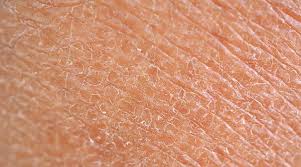

If your skin seems drier than usual despite regular moisturizers and good water intake, sugar might be part of the story. Higher blood sugar can pull fluid from tissues and may influence hormones and inflammation that affect the skin’s ability to hold moisture. The result can be tight, flaky, or itchy patches that are hard to soothe.
Supporting your skin from the inside out can help. Stay well hydrated during the day and include foods that are rich in healthy fats and antioxidants, such as olive oil, nuts, seeds, and colorful vegetables. Cutting back on sweet drinks is often one of the quickest ways to notice your skin feeling more comfortable. If dryness is severe or accompanied by other symptoms, bring it up with your healthcare provider or dermatologist.
6. More Cavities, Gum Sensitivity, Or Bad Breath
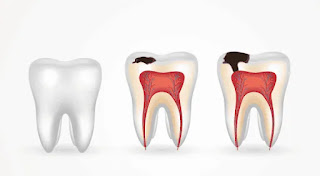
Sugar feeds the bacteria that live naturally in the mouth. When those bacteria thrive, they create acids that can wear down enamel and irritate gums. If you have been facing more frequent dental work, bleeding gums, or stubborn bad breath, it may be worth looking at how often sweets and sweetened drinks show up in your routine, especially between meals.
Small habits can protect your smile. Rinse your mouth with water after something sweet, enjoy desserts with a meal rather than as a stand‑alone snack, and keep up with regular brushing and flossing. If you struggle with dry mouth, sipping plain water during the day can make your mouth feel fresher and more comfortable. Your dentist can also suggest options like fluoride toothpaste or rinses to support enamel.
7. Brain Fog And Mood Swings
Quick rises and falls in blood sugar can leave you mentally cloudy or easily irritable. You might notice trouble focusing in the late morning after a sugary breakfast or feel a mid‑afternoon slump if lunch leans heavily on refined carbohydrates and sweetened drinks. For some people, this shows up as anxiety, restlessness, or a low mood that lifts only after eating again.
A steadier plate can support a steadier mind. If a sweet breakfast leaves you foggy, try eggs with vegetables, oatmeal made with less sugar and topped with berries and nuts, or plain yogurt with cinnamon and fruit. At lunch, include a palm-sized portion of protein, plenty of vegetables, and a whole grain to help you avoid the 3 p.m. crash. Many people find that even a single day of more balanced meals helps their mood and focus feel more level.
8. Sleep Disruptions And Nighttime Wake-Ups
Eating a very sweet dessert late in the evening may make it harder to fall asleep and can prompt wake‑ups during the night. As blood sugar rises, the body can feel revved up; as it drops, it may send out signals that jolt you awake. Some people also notice more snoring or restlessness after a sugar‑heavy evening.
If sleep has been rocky, try a calmer evening routine with less sweetness. A small protein‑containing snack—such as a slice of turkey, a bit of cheese, or a few spoonfuls of unsweetened yogurt—can help keep blood sugar steadier overnight. Creating a wind‑down routine, dimming the lights, and keeping your room cool and dark make a difference as well. Many people notice better sleep within a few nights of shifting their evening habits.
9. Slow-Healing Skin And More Frequent Infections
If minor cuts or scrapes seem to heal more slowly than they used to, or if you are dealing with repeated skin or yeast infections, sugar may be a contributing factor. Consistently high blood sugar can affect circulation and immune defenses, which may make it harder for the body to bounce back quickly.
This is an important sign to discuss with your healthcare provider, especially if it is new for you. In the meantime, choose savory breakfasts more often, minimize sweet drinks, and add fiber‑rich vegetables and beans to meals to help your body maintain a steadier balance. If you take medications that can affect blood sugar, such as certain steroids, talking with your provider about timing meals and snacks can be particularly helpful.
A Gentle Plan To Cut Back Without Feeling Deprived
It is absolutely possible to enjoy sweetness and still feel great. Start small by picking one or two places in your day where sugar sneaks in and make a simple swap. If soda is your favorite, try sparkling water with citrus. If sweetened yogurt is your go‑to, switch to plain yogurt and stir in berries or a few slices of banana. If dessert is a nightly habit, savor a few squares of dark chocolate or a bowl of fruit instead of something heavily frosted.
Protein and fiber are steady allies. When there is a bit of protein at every meal—such as eggs, yogurt, fish, poultry, beans, lentils, or tofu—you tend to feel satisfied longer, and cravings naturally settle down. Vegetables, beans, and whole grains bring fiber that slows digestion and helps keep blood sugar stable. Even small additions, like tossing a handful of spinach into an omelet or adding beans to soup or salad, can have a meaningful effect on how you feel afterward.
Hydration also matters. Sometimes a sweet craving is really thirst in disguise. Keeping water nearby and taking regular sips can keep energy up and reduce the urge to snack. If plain water feels dull, add a slice of lemon, orange, cucumber, or a sprig of mint for a gentle flavor boost. Unsweetened tea can also be a soothing, low‑sugar option during the afternoon or evening.
Another helpful approach is to set gentle boundaries around timing. Many people find they feel better when very sweet foods are enjoyed earlier in the day or alongside a balanced meal, rather than late at night on an empty stomach. If you are at a celebration, take your time and truly savor the treat, then return to your usual balanced meals at the next opportunity. Progress beats perfection every time.
Your taste buds adapt, often sooner than you think. Within a week or two of cutting back, many people report steadier energy, fewer mid‑afternoon slumps, and more restful sleep. Clothes may feel more comfortable, and naturally sweet foods begin to taste more satisfying again. Celebrate these small wins—they add up quickly and make it easier to stick with your new habits.
When To Check In With Your Doctor
If several of these signs ring true—particularly increased thirst, frequent urination, blurred vision, slow‑healing cuts, or unexplained fatigue—it is a good idea to check in with your healthcare provider. They can look at the full picture, run any needed tests, and help you create a plan that fits your health history and medications. A little guidance now can prevent bigger problems later and help you feel your best each day.
Remember, this is not about giving up everything you love. It is about finding a comfortable balance so you can enjoy meals, feel steady energy, sleep well, and keep doing the activities that matter most to you. A few thoughtful changes,
- Nutritious Cinnamon and Aloe Vera Drink to Support Your Health
 In the ongoing search for a healthier lifestyle, more and more people are becoming interested in natural remedies and recipes that promote overall well-being. One ingredient often used in this context is aloe vera, a plant traditionally valued for its soothing properties and potential health benefits. In this article, we’ll introduce a simple and refreshing drink…
 - 15 Signs That Your Liver Is in Danger (And What to Do About It)
 Your liver is one of the most important organs in your body. It filters toxins, supports digestion, and helps regulate metabolism. However, liver problems often develop silently, showing subtle warning signs that are easy to ignore—until it’s too late. In this article, we’ll explore 15 signs that your liver is in danger, so you can take…
 - The Essential Vitamin That May Help Relieve Leg and Bone Pain
 Have you ever experienced unexplained pain in your legs or bones? If so, you may wonder whether a vitamin deficiency could be contributing to the problem. In this article, we’ll explore vitamin D, its importance for bone and muscle health, natural sources, and practical ways to support your overall well-being. The Importance of Vitamins for Bone…
 - Benefits, Properties, and How to Prepare It at Home
 Guava leaf tea has become one of the most popular traditional herbal infusions for people looking for a simple and affordable way to support their overall well-being. Made from the leaves of the guava tree, this traditional drink is known for its antioxidant properties and its traditional use for digestive comfort. Many people drink it as…
 - The Plant Gaining Attention for Supporting Eye Health
 Discover a Natural Way to Care for Your Vision 👁️ Introduction Millions of people around the world experience eye discomfort every day—including blurred vision, light sensitivity, screen-related eye fatigue, dryness, or a constant reliance on glasses. As modern life places increasing demands on our eyes, many people are turning to nature in search of gentle,…
 - The Natural Juice Blend That Is Getting Attention in 2026
 The natural juice blend tipped to be a trend in 2026: Soursop, Guava, and Tomato. In a world where chronic diseases such as diabetes, cancer, and hypertension place increasing pressure on healthcare systems, more people are looking for safe, natural ways to support their health. Although prescribed medications remain essential, interest in complementary approaches based…
 - What Happens to Your Body When You Start Eating Garlic Before Bed?
 Many people struggle to get a good night’s sleep. They may wake up several times during the night or still feel tired even after what seems like enough rest. This fatigue can affect energy, mood, and everyday activities. As a result, more people are exploring natural habits that may support better sleep. But could a…
 - A Gentle Green Ally for Kidney and Joint Health
 If you have ever experienced the persistent discomfort of kidney stones or the sudden pain of gout, you know how much these conditions can interfere with everyday life. Although there is no single solution that works for everyone, nature offers a variety of plants that have been traditionally used to support well-being, and one of…
 - Over 60? You Might Be Missing These 10 Silent Mini Stroke Warning Signs
 Introduction As we age, the risk of stroke increases—especially after 60. But what many people don’t realize is that mini strokes (also called TIAs – transient ischemic attacks) often happen with subtle or “silent” symptoms. Ignoring these early warning signs can be dangerous. A mini stroke is often a serious red flag that a major stroke could occur soon.…
 - A Simple Nighttime Ritual to Improve Deep Sleep Naturally
 Getting quality sleep isn’t a luxury—it’s a necessity. Yet for many people, falling asleep quickly and staying asleep through the night can feel like a constant battle. Instead of turning to medications, more people are exploring gentle, natural solutions that support the body’s own sleep cycle. One surprisingly effective option? A warm banana and cinnamon…
 - Benefits, Recipe, and How to Enjoy This Powerful Herbal Infusion
 Clove tea is a fragrant herbal infusion with a distinctive, warm flavor that has been used for centuries for its medicinal properties. This comforting drink is not only delicious but also packed with health benefits. In this article, you’ll learn what clove tea is, how to prepare it, its health benefits, and creative ways to…
 - Healthy Juice for Eye Health and Memory: Supports Cataract, Glaucoma, Migraine, and Memory Issues
 🥤 Natural Juice for Vision and Brain Health Introduction Do you struggle with blurred vision, cataracts, glaucoma, migraines, or memory problems? These conditions often develop with age or due to unhealthy lifestyle habits. Fortunately, nature offers a simple and effective solution: a nutrient-rich natural juice packed with essential vitamins and antioxidants. This powerful recipe combines orange,…
 - The Living Amulet That “Prays” for Abundance
 Did you know there’s a plant that moves as if it had a will of its own? It’s not science fiction—it’sMaranta leuconeura, commonly known as thePrayer Plant. Beyond being a stunning decorative piece, this tropical beauty is believed to bring luck, gratitude, and prosperity into your home. Its unique behavior and symbolic meaning have made it a…
 - A Natural Remedy Gaining Attention After 40
 in today’s digital world, eye strain, dryness, and blurred vision have become everyday struggles—especially for adults over 40. Long hours on screens, environmental stressors, and natural aging all contribute to declining eye comfort and clarity. But what if relief didn’t always have to come from expensive drops or supplements? A humble plant known as Euphorbia hirta is…
 - A Natural Ally for Blood Sugar Control
 In this article, we’ll explore how guava leaves may support blood sugar control and how to prepare them properly to maximize their benefits. 🌱 Medicinal Properties of Guava Leaves Guava leaves are rich in beneficial compounds such as flavonoids, polyphenols, and carotenoids, which give them several important properties: These compounds help improve overall health and may…