
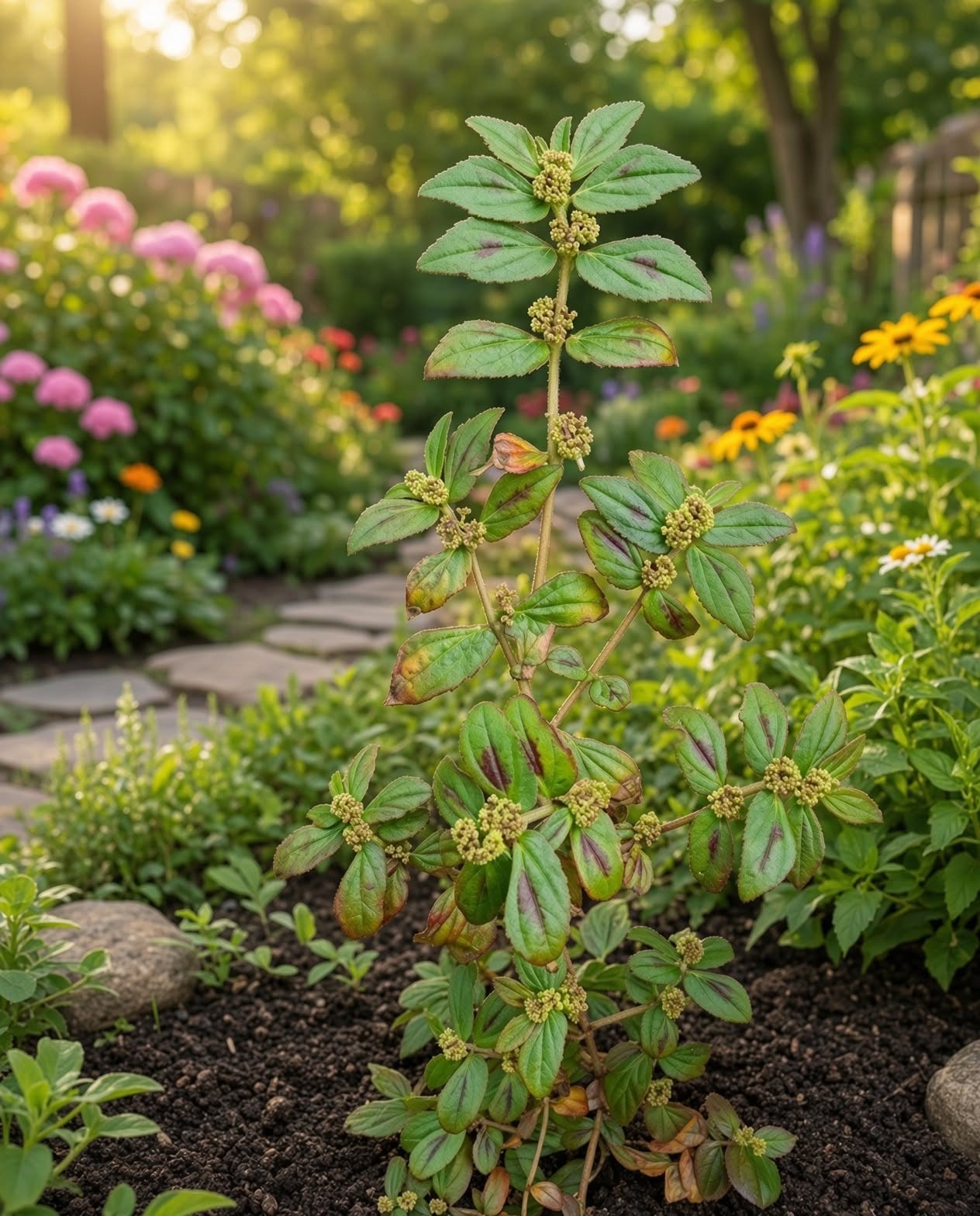
Meta Title: 7 Potential Benefits of Euphorbia Hirta and Traditional Uses
Meta Description: Discover 7 traditional uses and potential health benefits of Euphorbia hirta, also known as asthma weed, plus preparation methods and important safety precautions.
Focus Keyword: Euphorbia hirta benefits
Secondary Keywords: Euphorbia hirta, asthma weed, Euphorbia hirta tea, traditional medicinal plants, Euphorbia hirta uses, natural herbal remedies
What Is Euphorbia Hirta?
Euphorbia hirta is a small herb that grows widely in tropical and subtropical regions. It is also known by common names such as asthma weed, snake weed, and pill-bearing spurge.
For generations, Euphorbia hirta has been used in traditional herbal practices for a variety of purposes, particularly for respiratory, digestive, and skin-related concerns.
Modern research has also investigated compounds found in the plant, including flavonoids, tannins, terpenoids, and other phytochemicals. However, traditional use should not be confused with proven medical treatment, and more human research is needed to determine how effective and safe the plant is for specific conditions.
Here are seven commonly discussed Euphorbia hirta benefits and traditional uses.
1. Traditional Support for Respiratory Health
One of the best-known traditional uses of Euphorbia hirta is for respiratory discomfort. This is one reason the plant has earned the nickname “asthma weed.”
Traditional herbal preparations have been used for concerns such as occasional cough, congestion, and breathing discomfort.
Laboratory and experimental research has investigated the plant’s potential antispasmodic and anti-inflammatory properties. However, this does not mean Euphorbia hirta can replace prescribed asthma medication.
Important note
Asthma can become serious very quickly. Anyone experiencing persistent wheezing, shortness of breath, chest tightness, or difficulty breathing should seek appropriate medical care rather than relying on herbal preparations.
2. Contains Compounds With Antioxidant and Antimicrobial Potential
Euphorbia hirta contains several naturally occurring plant compounds that have attracted scientific interest.
Laboratory studies have investigated extracts of the plant for antioxidant and antimicrobial activity.
These findings are interesting because oxidative stress and microbial exposure are relevant to many aspects of human health.
However, laboratory activity does not automatically mean that drinking Euphorbia hirta tea will prevent or treat an infection.
More clinical research is needed before making therapeutic claims.
3. Traditionally Used for Digestive Discomfort
Traditional medicine has used Euphorbia hirta preparations for various digestive complaints, including diarrhea and abdominal discomfort.
The plant contains tannins and other compounds that may contribute to some of its traditional digestive applications.
However, diarrhea can have many causes, including infections, food intolerance, medication effects, and underlying medical conditions.
Severe or persistent diarrhea can also lead to dehydration.
For that reason, Euphorbia hirta should not be considered a substitute for medical evaluation when symptoms are severe or prolonged.
4. Traditional Uses for Skin Care
Another traditional application of Euphorbia hirta involves topical use for minor skin problems.
Some plant extracts have demonstrated antimicrobial or anti-inflammatory activity in laboratory studies, which has contributed to interest in their traditional use for skin care.
However, Euphorbia species can contain irritating latex, and direct application of plant material may cause skin reactions in some people.
If you are considering using the plant on your skin, extra caution is important.
Never apply an unknown plant preparation to an open wound, the eyes, or sensitive areas without appropriate professional guidance.
5. Research Into Blood Sugar and Metabolic Health
Euphorbia hirta has also attracted scientific interest because experimental studies have investigated its potential effects on blood glucose regulation.
Some laboratory and animal research suggests that certain compounds in the plant may influence glucose metabolism.
But this is very different from proving that Euphorbia hirta can treat diabetes in humans.
People taking insulin or blood-sugar-lowering medication should be particularly careful with herbal products because combining them could potentially affect blood glucose levels.
If you have diabetes, talk with your healthcare professional before using Euphorbia hirta as an herbal supplement.
6. Potential Antioxidant and Anti-Inflammatory Properties
Inflammation and oxidative stress are important areas of research in natural products.
Euphorbia hirta contains phytochemicals that have demonstrated antioxidant and anti-inflammatory activity in experimental settings.
This may help explain why the plant has been used traditionally for various inflammatory complaints.
Nevertheless, evidence from laboratory studies cannot establish that drinking the herb will treat chronic inflammatory diseases or replace conventional therapy.
The most appropriate way to view these findings is as an area of ongoing research rather than a proven treatment.
7. Traditional Use for Relaxation and General Wellness
Some traditional herbal practices have used Euphorbia hirta preparations for calming or general wellness purposes.
The plant has been investigated for possible effects on the nervous system in experimental research, but evidence in humans remains limited.
If you’re looking for ways to support relaxation, established habits such as regular physical activity, adequate sleep, stress management, and a balanced diet have much stronger evidence behind them.
How Is Euphorbia Hirta Traditionally Prepared?
Traditional preparations can vary considerably depending on the region and intended use.
Some commonly described forms include:
Euphorbia Hirta Tea
Dried plant material may be prepared as an herbal infusion or decoction.
However, there is no universally established safe dose for treating a medical condition, and the concentration of active compounds can vary significantly between preparations.
Herbal Extracts
Euphorbia hirta is also found in some traditional herbal extracts.
Because extracts can be much more concentrated than teas, they should not be used casually or at arbitrary doses.
Topical Preparations
Some traditional practices involve applying crushed plant material to the skin.
This requires particular caution because Euphorbia latex can be irritating.
Euphorbia Hirta Safety: What You Should Know
Natural does not automatically mean harmless.
Euphorbia hirta belongs to a plant group that includes species with irritating latex. Contact with the latex may cause irritation to the skin, eyes, or mucous membranes.
For this reason, careful handling is important.
You should also speak with a healthcare professional before using Euphorbia hirta if you:
- Are pregnant or breastfeeding
- Take prescription medications
- Have diabetes
- Have liver or kidney problems
- Have a chronic medical condition
- Are considering using concentrated herbal extracts
- Are giving the herb to a child
Stop using the preparation and seek medical advice if you develop an unexpected reaction.
Euphorbia Hirta Benefits: What Does Science Actually Say?
Euphorbia hirta is an interesting medicinal plant with a long history of traditional use.
Research has identified several biologically active compounds and investigated potential antioxidant, antimicrobial, anti-inflammatory, antispasmodic, and metabolic effects.
However, much of the available evidence comes from laboratory or animal studies.
That distinction is important.
A plant extract showing an effect in a laboratory experiment does not necessarily mean that consuming the plant produces the same effect in humans.
More well-designed human studies are needed to determine appropriate doses, effectiveness, long-term safety, and possible interactions with medications.
Frequently Asked Questions About Euphorbia Hirta
What is Euphorbia hirta commonly called?
Euphorbia hirta is commonly known as asthma weed, snake weed, or pill-bearing spurge, although common names vary by region.
Can Euphorbia hirta be used as a tea?
It has traditionally been prepared as an herbal tea or decoction in some regions. However, there is no standardized dose established for treating specific diseases.
Is Euphorbia hirta good for asthma?
It has a long history of traditional use for respiratory complaints, but there is not enough clinical evidence to recommend it as a replacement for proven asthma treatments.
Can Euphorbia hirta lower blood sugar?
Experimental research has investigated possible blood-glucose effects, but this does not establish Euphorbia hirta as a treatment for diabetes.
Is Euphorbia hirta safe for everyone?
No. The plant may cause irritation, and its safety can depend on preparation, dose, individual health, and medication use.
Can Euphorbia hirta be applied directly to the skin?
Traditional topical use exists, but caution is necessary because Euphorbia latex may irritate the skin and eyes.
Final Thoughts
Euphorbia hirta is a fascinating traditional medicinal plant that has been used for generations in different parts of the world.
Its potential antioxidant, antimicrobial, anti-inflammatory, respiratory, digestive, and metabolic properties have attracted scientific interest. At the same time, much of the evidence remains preliminary, and traditional use should not be presented as proof that the plant can treat or cure disease.
If you are interested in using Euphorbia hirta tea or another herbal preparation, consider speaking with a qualified healthcare professional first—particularly if you take medication or have an existing medical condition.
The most useful approach is to appreciate Euphorbia hirta as a traditional botanical with promising areas for research while keeping realistic expectations about what current evidence can actually support.
- Nutritious Cinnamon and Aloe Vera Drink to Support Your Health
 In the ongoing search for a healthier lifestyle, more and more people are becoming interested in natural remedies and recipes that promote overall well-being. One ingredient often used in this context is aloe vera, a plant traditionally valued for its soothing properties and potential health benefits. In this article, we’ll introduce a simple and refreshing drink…
 - 15 Signs That Your Liver Is in Danger (And What to Do About It)
 Your liver is one of the most important organs in your body. It filters toxins, supports digestion, and helps regulate metabolism. However, liver problems often develop silently, showing subtle warning signs that are easy to ignore—until it’s too late. In this article, we’ll explore 15 signs that your liver is in danger, so you can take…
 - The Essential Vitamin That May Help Relieve Leg and Bone Pain
 Have you ever experienced unexplained pain in your legs or bones? If so, you may wonder whether a vitamin deficiency could be contributing to the problem. In this article, we’ll explore vitamin D, its importance for bone and muscle health, natural sources, and practical ways to support your overall well-being. The Importance of Vitamins for Bone…
 - Benefits, Properties, and How to Prepare It at Home
 Guava leaf tea has become one of the most popular traditional herbal infusions for people looking for a simple and affordable way to support their overall well-being. Made from the leaves of the guava tree, this traditional drink is known for its antioxidant properties and its traditional use for digestive comfort. Many people drink it as…
 - The Plant Gaining Attention for Supporting Eye Health
 Discover a Natural Way to Care for Your Vision 👁️ Introduction Millions of people around the world experience eye discomfort every day—including blurred vision, light sensitivity, screen-related eye fatigue, dryness, or a constant reliance on glasses. As modern life places increasing demands on our eyes, many people are turning to nature in search of gentle,…
 - The Natural Juice Blend That Is Getting Attention in 2026
 The natural juice blend tipped to be a trend in 2026: Soursop, Guava, and Tomato. In a world where chronic diseases such as diabetes, cancer, and hypertension place increasing pressure on healthcare systems, more people are looking for safe, natural ways to support their health. Although prescribed medications remain essential, interest in complementary approaches based…
 - What Happens to Your Body When You Start Eating Garlic Before Bed?
 Many people struggle to get a good night’s sleep. They may wake up several times during the night or still feel tired even after what seems like enough rest. This fatigue can affect energy, mood, and everyday activities. As a result, more people are exploring natural habits that may support better sleep. But could a…
 - A Gentle Green Ally for Kidney and Joint Health
 If you have ever experienced the persistent discomfort of kidney stones or the sudden pain of gout, you know how much these conditions can interfere with everyday life. Although there is no single solution that works for everyone, nature offers a variety of plants that have been traditionally used to support well-being, and one of…
 - Over 60? You Might Be Missing These 10 Silent Mini Stroke Warning Signs
 Introduction As we age, the risk of stroke increases—especially after 60. But what many people don’t realize is that mini strokes (also called TIAs – transient ischemic attacks) often happen with subtle or “silent” symptoms. Ignoring these early warning signs can be dangerous. A mini stroke is often a serious red flag that a major stroke could occur soon.…
 - A Simple Nighttime Ritual to Improve Deep Sleep Naturally
 Getting quality sleep isn’t a luxury—it’s a necessity. Yet for many people, falling asleep quickly and staying asleep through the night can feel like a constant battle. Instead of turning to medications, more people are exploring gentle, natural solutions that support the body’s own sleep cycle. One surprisingly effective option? A warm banana and cinnamon…
 - Benefits, Recipe, and How to Enjoy This Powerful Herbal Infusion
 Clove tea is a fragrant herbal infusion with a distinctive, warm flavor that has been used for centuries for its medicinal properties. This comforting drink is not only delicious but also packed with health benefits. In this article, you’ll learn what clove tea is, how to prepare it, its health benefits, and creative ways to…
 - Healthy Juice for Eye Health and Memory: Supports Cataract, Glaucoma, Migraine, and Memory Issues
 🥤 Natural Juice for Vision and Brain Health Introduction Do you struggle with blurred vision, cataracts, glaucoma, migraines, or memory problems? These conditions often develop with age or due to unhealthy lifestyle habits. Fortunately, nature offers a simple and effective solution: a nutrient-rich natural juice packed with essential vitamins and antioxidants. This powerful recipe combines orange,…
 - The Living Amulet That “Prays” for Abundance
 Did you know there’s a plant that moves as if it had a will of its own? It’s not science fiction—it’sMaranta leuconeura, commonly known as thePrayer Plant. Beyond being a stunning decorative piece, this tropical beauty is believed to bring luck, gratitude, and prosperity into your home. Its unique behavior and symbolic meaning have made it a…
 - A Natural Remedy Gaining Attention After 40
 in today’s digital world, eye strain, dryness, and blurred vision have become everyday struggles—especially for adults over 40. Long hours on screens, environmental stressors, and natural aging all contribute to declining eye comfort and clarity. But what if relief didn’t always have to come from expensive drops or supplements? A humble plant known as Euphorbia hirta is…
 - A Natural Ally for Blood Sugar Control
 In this article, we’ll explore how guava leaves may support blood sugar control and how to prepare them properly to maximize their benefits. 🌱 Medicinal Properties of Guava Leaves Guava leaves are rich in beneficial compounds such as flavonoids, polyphenols, and carotenoids, which give them several important properties: These compounds help improve overall health and may…