
A glass of deep-red beetroot juice often appears in online posts alongside dramatic “before and after” images of clogged arteries. These posts may suggest that drinking beet juice can wash away fatty deposits and restore blood vessels almost overnight.
The reality is more nuanced.
Beetroot is a nutritious vegetable that may support healthy blood pressure, circulation and blood-vessel function. However, no juice, fruit, herb or homemade drink can physically scrub plaque from the arteries. Atherosclerosis is a complex medical condition that requires long-term lifestyle management and, in many cases, prescribed treatment.
So, why is beetroot juice frequently associated with cardiovascular health? The answer lies mainly in its natural nitrate content and the way the body uses those compounds to support blood flow.
What Does “Clogged Arteries” Actually Mean?
The term “clogged arteries” commonly refers to atherosclerosis. This condition develops when cholesterol, fat, calcium and other substances accumulate inside the walls of the arteries.
Over time, the deposits form plaque. Plaque can narrow the space through which blood flows and may make the arteries less flexible. If a plaque ruptures, a blood clot may form and potentially block blood flow to the heart or brain.
Atherosclerosis can contribute to serious conditions such as:
- Coronary artery disease
- Heart attack
- Stroke
- Peripheral artery disease
- Reduced circulation in the legs
The process usually develops gradually. High LDL cholesterol, high blood pressure, smoking, diabetes, physical inactivity and diets high in saturated fat can increase the risk.
Can Beetroot Juice Clear Your Arteries?
Beetroot juice does not directly dissolve cholesterol deposits or remove existing arterial plaque.
What it may do is support certain cardiovascular functions, particularly blood pressure regulation and blood-vessel relaxation. These effects can be valuable as part of a larger heart-healthy lifestyle, but they should not be confused with physically unclogging an artery.
Lifestyle changes and appropriate medicines can help slow atherosclerosis, stabilize plaque and sometimes contribute to partial regression. Treatment may involve cholesterol-lowering medication, blood-pressure management, diabetes control, exercise, dietary improvements and smoking cessation. Severe blockages may require medical procedures.
The “before and after” artery illustration in the image should therefore be understood as a visual concept—not proof that beetroot juice can remove plaque.
Why Beetroot May Support Heart Health
1. Beetroot contains natural dietary nitrates
Beets are among the richest food sources of inorganic nitrate. After consumption, some of this nitrate is converted into nitrite and then nitric oxide.
Nitric oxide is a signaling molecule that helps blood vessels relax and widen. This process may improve blood flow and reduce resistance within the blood vessels.
This does not mean that more beet juice is always better. The cardiovascular response varies according to the person, the nitrate concentration of the drink, medications, oral bacteria and overall health.
2. It may modestly support blood pressure
Research suggests that nitrate-rich beetroot juice may produce a modest reduction in blood pressure, particularly systolic blood pressure—the upper number in a blood-pressure reading.
One meta-analysis reported average reductions of approximately 3.55 mmHg in systolic pressure and 1.32 mmHg in diastolic pressure across mixed groups of participants. Another analysis involving people with hypertension found a reduction in systolic pressure but not a significant reduction in diastolic pressure.
These findings are promising, but the effect is not equivalent to treating hypertension. People diagnosed with high blood pressure should continue monitoring their readings and taking prescribed medication.
3. It provides protective plant compounds
Beetroot contains betalains, the pigments responsible for its intense red-purple color. These compounds have antioxidant properties and are being studied for their possible role in reducing oxidative stress.
Beets also provide nutrients such as folate, potassium and vitamin C. However, individual nutrients work best within a balanced dietary pattern rather than as an isolated “miracle ingredient.”
4. It can replace less healthy drinks
A small glass of unsweetened beetroot juice may be a better choice than soda, energy drinks or beverages containing large amounts of added sugar.
However, beet juice should not replace water, vegetables or complete meals. Drinking a vegetable is also not identical to eating it whole because traditional juicing removes much of the fiber.
A Simple Beetroot Drink for Heart-Healthy Eating
This recipe is designed as a nutritious food option. It is not a treatment for blocked arteries.
Ingredients
- 1 small raw or cooked beetroot
- ½ cucumber
- Juice of ½ lemon
- ½ to 1 cup of cold water
- A small piece of fresh ginger, optional
- Ice, optional
Instructions
Wash and peel the beetroot if necessary. Cut the beetroot and cucumber into small pieces.
Place all ingredients in a blender and blend until smooth. Add more water if the mixture is too thick.
For more fiber, drink it without straining. Do not add refined sugar, syrup or sweetened condensed milk.
Begin with a small serving, especially when you are not accustomed to beetroot. There is no scientifically established amount that will “clear” the arteries because beetroot does not work in that way.
Whole Beetroot or Beetroot Juice: Which Is Better?
Whole beetroot generally contains more fiber than strained beet juice. Fiber supports digestive health and can help make meals more satisfying.
Juice provides a concentrated form of beetroot and may deliver more nitrate in a smaller volume, but it is also easier to consume quickly. Commercial beet drinks may contain added sugar, fruit concentrates or large serving sizes.
For everyday nutrition, consider rotating among:
- Roasted beetroot
- Steamed beets
- Grated raw beet salad
- Beetroot blended into a smoothie
- A small glass of unsweetened beet juice
The goal is not to consume the largest possible quantity. The goal is to include a variety of minimally processed plant foods in a sustainable eating pattern.
The Best Foods for Supporting Healthy Arteries
No single food determines cardiovascular health. Long-term eating patterns are far more important than one drink.
The American Heart Association recommends a dietary pattern centered on vegetables, fruits, whole grains, legumes, nuts, seeds, fish, seafood and other minimally processed foods. It also recommends limiting added sugars, sodium, processed meats and foods rich in saturated or trans fats.
Leafy green vegetables
Spinach, arugula, lettuce and other leafy vegetables provide vitamins, minerals and plant compounds. They can be used in salads, soups, omelets and cooked side dishes.
Oats and other whole grains
Oats, barley, brown rice and whole-grain bread provide fiber. Replacing refined grains with whole grains can contribute to a more heart-friendly diet.
Beans, lentils and peas
Legumes provide plant protein and fiber while containing little saturated fat. They can replace some servings of processed or fatty meat.
Nuts and seeds
Unsalted walnuts, almonds, flaxseed and chia seeds provide unsaturated fats. Portion size still matters because nuts and seeds are calorie-dense.
Fish and seafood
Fish can provide protein and beneficial unsaturated fats. Fried fish, heavily salted fish and highly processed seafood products may not offer the same advantages.
Olive oil and other unsaturated fats
Replacing butter, shortening and fatty sauces with moderate amounts of unsaturated oils can help reduce saturated-fat intake.
Colorful fruits and vegetables
Berries, citrus fruits, tomatoes, carrots, peppers and cruciferous vegetables contribute different nutrients and plant compounds. Variety is more beneficial than depending on one so-called superfood.
What Matters More Than a Single Glass of Juice?
Beetroot juice can fit into a heart-healthy routine, but it cannot compensate for smoking, uncontrolled blood pressure, very high cholesterol, inactivity or an eating pattern dominated by ultra-processed foods.
The most important actions include:
- Checking blood pressure regularly
- Managing LDL cholesterol
- Controlling blood glucose when necessary
- Avoiding tobacco
- Staying physically active
- Maintaining an appropriate weight
- Sleeping consistently
- Taking prescribed medication correctly
- Attending medical checkups
Heart-healthy eating, ongoing medical care and risk-factor management can help prevent complications and slow the progression of atherosclerosis.
Who Should Be Careful With Beetroot Juice?
Beetroot is safe as a regular food for many people, but concentrated juice may not be appropriate for everyone.
People with low blood pressure
Because beetroot juice may lower blood pressure, people who already experience dizziness, fainting or hypotension should be cautious.
People taking blood-pressure medication
Combining several blood-pressure-lowering effects may cause pressure to fall too low in some individuals. Food and medication interactions can occur even with foods generally considered healthy. Discuss regular use of concentrated beet juice with a doctor or pharmacist when taking cardiovascular medication.
People with calcium oxalate kidney stones
Beets contain oxalates. People who form calcium oxalate kidney stones may be advised to modify their intake of high-oxalate foods based on their test results and medical history.
Kidney-stone diets should be personalized rather than applied to everyone. A doctor or kidney dietitian can determine whether beetroot needs to be limited.
People managing diabetes
Beetroot contains natural carbohydrates. Whole or blended beetroot usually preserves more fiber than strained juice. Avoid adding sugar and consider the drink’s carbohydrates as part of the total meal plan.
People with diagnosed heart disease
Anyone with chest pain, severe shortness of breath, fainting or sudden weakness should seek urgent medical attention rather than trying a homemade drink.
Frequently Asked Questions
Does beetroot juice dissolve arterial plaque?
No. Current evidence does not show that beetroot juice dissolves or removes arterial plaque. It may support blood-vessel function and modestly affect blood pressure, but it is not an artery-cleansing treatment.
Can beetroot juice replace cholesterol medication?
No. Beetroot juice should not replace statins or other prescribed cardiovascular medicines. Do not reduce or stop medication without speaking with the prescribing clinician.
How quickly does beetroot juice work?
Some studies have measured short-term changes in blood pressure after consuming nitrate-rich beetroot juice. The response varies, and any temporary effect should not be interpreted as reversal of cardiovascular disease.
Is it better to drink beetroot juice in the morning?
There is no proven time of day when beetroot juice clears arteries or provides universally greater cardiovascular benefits. Choose a time that fits comfortably into your meals and does not cause digestive discomfort.
Can I drink beetroot juice every day?
Daily consumption is not necessary for everyone. Serving size, medications, blood pressure, kidney health and total diet should be considered. Variety among vegetables is preferable to relying on one ingredient every day.
Final Thoughts
Beetroot juice is a colorful, nutrient-rich drink that may support nitric oxide production, circulation and healthy blood-pressure control. These benefits make it a reasonable addition to a balanced diet.
However, beetroot juice cannot magically clean, flush or unclog the arteries. Cardiovascular protection comes from the combined effect of healthy eating, regular activity, appropriate medical treatment and consistent control of blood pressure, cholesterol and blood sugar.
Enjoy beetroot as a food—not as a substitute for evidence-based heart care.
- Nutritious Cinnamon and Aloe Vera Drink to Support Your Health
 In the ongoing search for a healthier lifestyle, more and more people are becoming interested in natural remedies and recipes that promote overall well-being. One ingredient often used in this context is aloe vera, a plant traditionally valued for its soothing properties and potential health benefits. In this article, we’ll introduce a simple and refreshing drink…
 - 15 Signs That Your Liver Is in Danger (And What to Do About It)
 Your liver is one of the most important organs in your body. It filters toxins, supports digestion, and helps regulate metabolism. However, liver problems often develop silently, showing subtle warning signs that are easy to ignore—until it’s too late. In this article, we’ll explore 15 signs that your liver is in danger, so you can take…
 - The Essential Vitamin That May Help Relieve Leg and Bone Pain
 Have you ever experienced unexplained pain in your legs or bones? If so, you may wonder whether a vitamin deficiency could be contributing to the problem. In this article, we’ll explore vitamin D, its importance for bone and muscle health, natural sources, and practical ways to support your overall well-being. The Importance of Vitamins for Bone…
 - Benefits, Properties, and How to Prepare It at Home
 Guava leaf tea has become one of the most popular traditional herbal infusions for people looking for a simple and affordable way to support their overall well-being. Made from the leaves of the guava tree, this traditional drink is known for its antioxidant properties and its traditional use for digestive comfort. Many people drink it as…
 - The Plant Gaining Attention for Supporting Eye Health
 Discover a Natural Way to Care for Your Vision 👁️ Introduction Millions of people around the world experience eye discomfort every day—including blurred vision, light sensitivity, screen-related eye fatigue, dryness, or a constant reliance on glasses. As modern life places increasing demands on our eyes, many people are turning to nature in search of gentle,…
 - The Natural Juice Blend That Is Getting Attention in 2026
 The natural juice blend tipped to be a trend in 2026: Soursop, Guava, and Tomato. In a world where chronic diseases such as diabetes, cancer, and hypertension place increasing pressure on healthcare systems, more people are looking for safe, natural ways to support their health. Although prescribed medications remain essential, interest in complementary approaches based…
 - What Happens to Your Body When You Start Eating Garlic Before Bed?
 Many people struggle to get a good night’s sleep. They may wake up several times during the night or still feel tired even after what seems like enough rest. This fatigue can affect energy, mood, and everyday activities. As a result, more people are exploring natural habits that may support better sleep. But could a…
 - A Gentle Green Ally for Kidney and Joint Health
 If you have ever experienced the persistent discomfort of kidney stones or the sudden pain of gout, you know how much these conditions can interfere with everyday life. Although there is no single solution that works for everyone, nature offers a variety of plants that have been traditionally used to support well-being, and one of…
 - Over 60? You Might Be Missing These 10 Silent Mini Stroke Warning Signs
 Introduction As we age, the risk of stroke increases—especially after 60. But what many people don’t realize is that mini strokes (also called TIAs – transient ischemic attacks) often happen with subtle or “silent” symptoms. Ignoring these early warning signs can be dangerous. A mini stroke is often a serious red flag that a major stroke could occur soon.…
 - A Simple Nighttime Ritual to Improve Deep Sleep Naturally
 Getting quality sleep isn’t a luxury—it’s a necessity. Yet for many people, falling asleep quickly and staying asleep through the night can feel like a constant battle. Instead of turning to medications, more people are exploring gentle, natural solutions that support the body’s own sleep cycle. One surprisingly effective option? A warm banana and cinnamon…
 - Benefits, Recipe, and How to Enjoy This Powerful Herbal Infusion
 Clove tea is a fragrant herbal infusion with a distinctive, warm flavor that has been used for centuries for its medicinal properties. This comforting drink is not only delicious but also packed with health benefits. In this article, you’ll learn what clove tea is, how to prepare it, its health benefits, and creative ways to…
 - Healthy Juice for Eye Health and Memory: Supports Cataract, Glaucoma, Migraine, and Memory Issues
 🥤 Natural Juice for Vision and Brain Health Introduction Do you struggle with blurred vision, cataracts, glaucoma, migraines, or memory problems? These conditions often develop with age or due to unhealthy lifestyle habits. Fortunately, nature offers a simple and effective solution: a nutrient-rich natural juice packed with essential vitamins and antioxidants. This powerful recipe combines orange,…
 - The Living Amulet That “Prays” for Abundance
 Did you know there’s a plant that moves as if it had a will of its own? It’s not science fiction—it’sMaranta leuconeura, commonly known as thePrayer Plant. Beyond being a stunning decorative piece, this tropical beauty is believed to bring luck, gratitude, and prosperity into your home. Its unique behavior and symbolic meaning have made it a…
 - A Natural Remedy Gaining Attention After 40
 in today’s digital world, eye strain, dryness, and blurred vision have become everyday struggles—especially for adults over 40. Long hours on screens, environmental stressors, and natural aging all contribute to declining eye comfort and clarity. But what if relief didn’t always have to come from expensive drops or supplements? A humble plant known as Euphorbia hirta is…
 - A Natural Ally for Blood Sugar Control
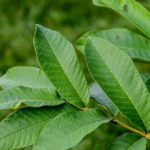 In this article, we’ll explore how guava leaves may support blood sugar control and how to prepare them properly to maximize their benefits. 🌱 Medicinal Properties of Guava Leaves Guava leaves are rich in beneficial compounds such as flavonoids, polyphenols, and carotenoids, which give them several important properties: These compounds help improve overall health and may…