
Garlic and salt have been used together for thousands of years in kitchens around the world. This classic pairing enhances flavor, preserves food, and has long been featured in traditional home remedies. But beyond their culinary appeal, many people wonder whether combining garlic and salt offers real health benefits.
Garlic is well known for its sulfur-containing compounds, particularly allicin, while salt provides sodium, an essential mineral needed for fluid balance and normal nerve and muscle function. Together, they create a flavorful combination—but what does science actually say about their effects on the body?
Let’s take a closer look at the potential benefits, limitations, and the smartest ways to enjoy garlic and salt as part of a healthy diet.
Why Are Garlic and Salt Often Used Together?
When a garlic clove is crushed or chopped, it produces allicin, a bioactive compound responsible for many of garlic’s characteristic properties. Crushing garlic with a small amount of salt helps break down its cell walls, making it easier to release these natural compounds while creating a smooth paste commonly used in cooking.
The combination offers:
- Enhanced flavor without relying on heavy sauces
- Better extraction of garlic’s natural juices
- Traditional antimicrobial applications for food preparation
- Greater versatility in home cooking
Although these effects are useful in the kitchen, their impact on health depends on overall diet and lifestyle.
Health Benefits of Garlic
1. Supports a Healthy Immune System
Garlic contains sulfur compounds and antioxidants that have been widely studied for their role in supporting normal immune function.
Research suggests garlic may help:
- Support the body’s natural defenses
- Reduce oxidative stress
- Promote a healthy inflammatory response
Regular consumption as part of a balanced diet may contribute to overall immune wellness.
2. May Support Heart Health
Numerous studies have examined garlic’s relationship with cardiovascular health.
Some research suggests garlic may help:
- Support healthy blood pressure already within the normal range
- Maintain healthy cholesterol levels
- Promote healthy blood vessel function
These benefits are generally modest and are most effective when combined with a nutritious diet, regular exercise, and other healthy lifestyle habits.
3. Promotes Digestive Health
Garlic contains natural prebiotic fibers that nourish beneficial gut bacteria.
Potential digestive benefits include:
- Supporting a balanced gut microbiome
- Encouraging digestive enzyme activity
- Promoting healthy digestion
However, raw garlic may cause bloating or stomach discomfort in some individuals, particularly those with sensitive digestive systems.
Understanding the Role of Salt
Salt is often viewed negatively, but the body actually requires sodium for many essential functions.
In appropriate amounts, sodium helps:
- Maintain fluid balance
- Support nerve signaling
- Enable proper muscle contraction
- Regulate hydration
The problem arises when sodium intake consistently exceeds recommended levels.
Excessive salt consumption has been associated with:
- Elevated blood pressure
- Increased fluid retention
- Greater strain on the cardiovascular system
Moderation remains the key.
What Happens When You Eat Garlic and Salt Together?
Better Release of Garlic’s Active Compounds
Crushing garlic with a pinch of salt helps create a finer paste, allowing more allicin to form before cooking or eating.
Many cooks recommend letting crushed garlic rest for about 10 minutes before heating it, giving the enzyme responsible for allicin production time to work.
Enhanced Digestion
The combination may stimulate saliva production and digestive secretions, making meals easier to digest for some people.
Garlic has traditionally been used to support digestive comfort, while salt naturally enhances taste, making nutritious foods more enjoyable.
Traditional Antimicrobial Uses
In traditional home remedies, diluted mixtures containing garlic and salt have occasionally been used as gargles for mild throat discomfort because of their natural antimicrobial properties.
However, these remedies should never replace appropriate medical care when symptoms are severe or persistent.
Potential Benefits of This Combination
When consumed responsibly, garlic and salt may contribute to:
- Immune system support
- Better digestive function
- Improved meal flavor
- Increased antioxidant intake
- Greater enjoyment of healthy home-cooked meals
It’s important to remember that no single food or ingredient can prevent or cure disease on its own.
Smart Ways to Use Garlic and Salt
1. Fresh Garlic Paste
Ingredients:
- 1 garlic clove
- A small pinch of salt
Instructions:
Crush the garlic with the salt until a smooth paste forms. Allow it to rest for about 10 minutes before adding it to food.
This simple technique helps maximize allicin formation.
2. Add Garlic Near the End of Cooking
High heat can reduce some of garlic’s beneficial compounds.
For stronger flavor and better preservation of its natural components:
- Cook vegetables first
- Add crushed garlic during the final few minutes
- Season lightly with salt
3. Garlic and Salt Gargle (Occasional Use)
Traditional preparation:
- 1 cup warm water
- Small pinch of salt
- Tiny amount of crushed garlic
Use as an occasional gargle for mild throat discomfort, then spit out the mixture.
Do not swallow large amounts of raw garlic water.
Who Should Be Cautious?
Although garlic is generally safe in culinary amounts, some individuals should exercise extra care.
Consult a healthcare professional before regular use if you:
- Take blood-thinning medications
- Have low blood pressure
- Have kidney disease
- Follow a sodium-restricted diet
- Experience acid reflux or stomach ulcers
People with hypertension should pay particular attention to total daily sodium intake rather than eliminating garlic, which may still be part of a heart-healthy eating pattern.
Frequently Asked Questions
Is eating raw garlic with salt healthy?
For many healthy adults, small culinary amounts can be part of a balanced diet. However, excessive salt intake should be avoided.
Does garlic lower blood pressure immediately?
No. Research suggests that any potential benefits from garlic are generally modest and develop over time as part of an overall healthy lifestyle.
Can garlic and salt cure infections?
No. While garlic has natural antimicrobial properties and salt is commonly used in traditional remedies, neither should replace medical treatment for bacterial or viral infections.
Is it okay to eat garlic every day?
Many people safely consume garlic daily in normal food amounts. If you have digestive issues or take medications, consult your healthcare provider.
Final Thoughts
Garlic and salt have earned their place in kitchens around the world for both flavor and tradition. Garlic provides bioactive compounds that may support immune function, digestion, and cardiovascular health, while salt remains an essential nutrient when consumed in moderation.
The greatest benefit comes not from large quantities but from using both ingredients wisely within a balanced, nutrient-rich diet.
Small, consistent healthy habits often have a far greater impact than relying on any single food or home remedy.
Disclaimer: This article is intended for informational purposes only and should not be considered medical advice. Garlic and salt are foods—not medicines—and should not replace professional diagnosis or treatment. If you have a medical condition or take prescription medications, consult a qualified healthcare professional before making significant dietary changes.
- Nutritious Cinnamon and Aloe Vera Drink to Support Your Health
 In the ongoing search for a healthier lifestyle, more and more people are becoming interested in natural remedies and recipes that promote overall well-being. One ingredient often used in this context is aloe vera, a plant traditionally valued for its soothing properties and potential health benefits. In this article, we’ll introduce a simple and refreshing drink…
 - 15 Signs That Your Liver Is in Danger (And What to Do About It)
 Your liver is one of the most important organs in your body. It filters toxins, supports digestion, and helps regulate metabolism. However, liver problems often develop silently, showing subtle warning signs that are easy to ignore—until it’s too late. In this article, we’ll explore 15 signs that your liver is in danger, so you can take…
 - The Essential Vitamin That May Help Relieve Leg and Bone Pain
 Have you ever experienced unexplained pain in your legs or bones? If so, you may wonder whether a vitamin deficiency could be contributing to the problem. In this article, we’ll explore vitamin D, its importance for bone and muscle health, natural sources, and practical ways to support your overall well-being. The Importance of Vitamins for Bone…
 - Benefits, Properties, and How to Prepare It at Home
 Guava leaf tea has become one of the most popular traditional herbal infusions for people looking for a simple and affordable way to support their overall well-being. Made from the leaves of the guava tree, this traditional drink is known for its antioxidant properties and its traditional use for digestive comfort. Many people drink it as…
 - The Plant Gaining Attention for Supporting Eye Health
 Discover a Natural Way to Care for Your Vision 👁️ Introduction Millions of people around the world experience eye discomfort every day—including blurred vision, light sensitivity, screen-related eye fatigue, dryness, or a constant reliance on glasses. As modern life places increasing demands on our eyes, many people are turning to nature in search of gentle,…
 - The Natural Juice Blend That Is Getting Attention in 2026
 The natural juice blend tipped to be a trend in 2026: Soursop, Guava, and Tomato. In a world where chronic diseases such as diabetes, cancer, and hypertension place increasing pressure on healthcare systems, more people are looking for safe, natural ways to support their health. Although prescribed medications remain essential, interest in complementary approaches based…
 - What Happens to Your Body When You Start Eating Garlic Before Bed?
 Many people struggle to get a good night’s sleep. They may wake up several times during the night or still feel tired even after what seems like enough rest. This fatigue can affect energy, mood, and everyday activities. As a result, more people are exploring natural habits that may support better sleep. But could a…
 - A Gentle Green Ally for Kidney and Joint Health
 If you have ever experienced the persistent discomfort of kidney stones or the sudden pain of gout, you know how much these conditions can interfere with everyday life. Although there is no single solution that works for everyone, nature offers a variety of plants that have been traditionally used to support well-being, and one of…
 - Over 60? You Might Be Missing These 10 Silent Mini Stroke Warning Signs
 Introduction As we age, the risk of stroke increases—especially after 60. But what many people don’t realize is that mini strokes (also called TIAs – transient ischemic attacks) often happen with subtle or “silent” symptoms. Ignoring these early warning signs can be dangerous. A mini stroke is often a serious red flag that a major stroke could occur soon.…
 - A Simple Nighttime Ritual to Improve Deep Sleep Naturally
 Getting quality sleep isn’t a luxury—it’s a necessity. Yet for many people, falling asleep quickly and staying asleep through the night can feel like a constant battle. Instead of turning to medications, more people are exploring gentle, natural solutions that support the body’s own sleep cycle. One surprisingly effective option? A warm banana and cinnamon…
 - Benefits, Recipe, and How to Enjoy This Powerful Herbal Infusion
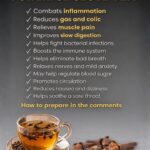 Clove tea is a fragrant herbal infusion with a distinctive, warm flavor that has been used for centuries for its medicinal properties. This comforting drink is not only delicious but also packed with health benefits. In this article, you’ll learn what clove tea is, how to prepare it, its health benefits, and creative ways to…
 - Healthy Juice for Eye Health and Memory: Supports Cataract, Glaucoma, Migraine, and Memory Issues
 🥤 Natural Juice for Vision and Brain Health Introduction Do you struggle with blurred vision, cataracts, glaucoma, migraines, or memory problems? These conditions often develop with age or due to unhealthy lifestyle habits. Fortunately, nature offers a simple and effective solution: a nutrient-rich natural juice packed with essential vitamins and antioxidants. This powerful recipe combines orange,…
 - The Living Amulet That “Prays” for Abundance
 Did you know there’s a plant that moves as if it had a will of its own? It’s not science fiction—it’sMaranta leuconeura, commonly known as thePrayer Plant. Beyond being a stunning decorative piece, this tropical beauty is believed to bring luck, gratitude, and prosperity into your home. Its unique behavior and symbolic meaning have made it a…
 - A Natural Remedy Gaining Attention After 40
 in today’s digital world, eye strain, dryness, and blurred vision have become everyday struggles—especially for adults over 40. Long hours on screens, environmental stressors, and natural aging all contribute to declining eye comfort and clarity. But what if relief didn’t always have to come from expensive drops or supplements? A humble plant known as Euphorbia hirta is…
 - A Natural Ally for Blood Sugar Control
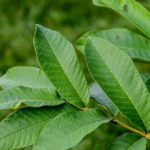 In this article, we’ll explore how guava leaves may support blood sugar control and how to prepare them properly to maximize their benefits. 🌱 Medicinal Properties of Guava Leaves Guava leaves are rich in beneficial compounds such as flavonoids, polyphenols, and carotenoids, which give them several important properties: These compounds help improve overall health and may…