
Many women experience severe pelvic pain and heavy periods that interfere with their daily activities, work, and relationships. This discomfort can feel overwhelming and isolating, especially when it is brushed off as just part of being a woman. Endometriosis is a common condition where tissue similar to the lining inside the uterus grows outside it, leading to inflammation and other challenges. The good news is that understanding more about it can empower you to take proactive steps, but one surprising factor about daily habits might make a bigger difference than you think — keep reading to discover it.
What Exactly Is Endometriosis?
Endometriosis happens when tissue that normally lines the inside of the uterus begins growing in other places, such as on the ovaries, fallopian tubes, or the lining of the pelvis. This is often described as “inside is outside,” because the misplaced tissue behaves like the uterine lining — thickening, breaking down, and bleeding with each menstrual cycle. But unlike normal menstrual blood, this tissue has nowhere to exit the body, which can cause irritation, scarring, and pain.
The condition affects millions of women worldwide during their reproductive years, yet many still suffer in silence because symptoms are frequently misunderstood or dismissed. Research from major health organizations shows it is far more common than most people realize, impacting daily life in ways that go beyond the obvious monthly cycle.
But here’s the thing — awareness is the first step toward feeling more in control.
Common Symptoms That Deserve Your Attention

The most noticeable sign is often pelvic pain that feels different from typical cramps. It can start before your period, last through it, and sometimes continue afterward. Many women also report pain during or after sex, discomfort with bowel movements or urination during their cycle, and unusually heavy bleeding.
Here are some symptoms women commonly describe:
- Intense menstrual cramps that may require missing school or work
- Chronic lower back or pelvic pain that lingers between periods
- Painful intercourse that affects intimacy and relationships
- Heavy or irregular periods with clotting
- Fatigue, bloating, and digestive issues that worsen around menstruation
- Difficulty getting pregnant in some cases
These experiences vary widely — some women have mild symptoms while others face significant challenges. Studies indicate that the average time from first symptoms to a proper discussion with a doctor can stretch for years, which is why paying attention early matters.
The truth is, tracking what you feel month after month can make conversations with your healthcare provider much more productive.
What Might Contribute to Endometriosis?
Experts do not know the exact cause, but several factors appear to play a role. Family history often comes up — if your mother, sister, or aunt experienced it, your chances may be higher. Other elements include starting your period at an early age, having short menstrual cycles, or never having given birth.
Hormonal influences and immune system responses are also being studied. The important point is that endometriosis is not caused by anything you did or did not do. It is a complex condition that researchers continue to explore so women can better understand their bodies.

Here is a quick comparison that helps many readers:
| Factor | Typical Monthly Cycle | Possible Endometriosis Pattern |
|---|---|---|
| Cramp Intensity | Mild to moderate, manageable | Severe, lasts longer, disrupts daily life |
| Pain Location | Lower abdomen | Pelvis, back, during sex or bowel movements |
| Bleeding | Normal flow | Very heavy with clots |
| Duration | 3–7 days | Pain extends before/after period |
| Other Symptoms | Occasional bloating | Fatigue, nausea, fertility concerns |
This simple table can help you notice patterns worth discussing with a professional.
How Endometriosis Can Affect Everyday Life
Beyond physical pain, the condition can influence energy levels, mood, and even career choices. Women often share stories of canceling plans, struggling with concentration at work, or feeling anxious about future family plans. The emotional toll is real, and it is completely valid to feel frustrated or exhausted by it.
Yet many women find that small, consistent adjustments in daily routines help them feel more supported. This brings us to the practical side many are curious about.
Practical Lifestyle Habits Worth Exploring
While no single habit replaces professional medical advice, some women discover that certain everyday choices support their overall well-being during this journey. The key is starting small and observing what feels right for your body.
Here are five simple, step-by-step tips you can try right away:
- Keep a symptom journal — Note the date, pain level (1–10), what you ate, how you slept, and stress levels each day. After one month, patterns often become clearer for sharing with your doctor.
- Move gently most days — Try 20–30 minutes of walking, yoga, or swimming. Research suggests regular, low-impact movement may ease pelvic tension for some women.
- Prioritize anti-inflammatory foods — Focus on colorful vegetables, fatty fish, nuts, and whole grains while reducing processed items. Many women report feeling less bloated when they experiment with this approach.
- Practice stress reduction — Even five minutes of deep breathing or meditation daily can help calm the nervous system. Apps or guided recordings make this easy to build into your routine.
- Stay hydrated and rest proactively — Aim for consistent sleep and drink plenty of water. When you sense your cycle approaching, plan extra downtime — your body will thank you.
But wait, there is more — one habit that surprises many women is simply talking openly with trusted friends or support groups. Sharing experiences reduces isolation and often leads to better questions at the next medical appointment.
When Is It Time to Talk With a Healthcare Provider?
If pain regularly stops you from normal activities or if you have concerns about fertility, schedule a conversation sooner rather than later. Bring your symptom journal and be specific about how it affects your life. Early discussions can open doors to helpful options tailored to your situation.
Wrapping Up: Knowledge Is Empowering
Endometriosis is a real condition that touches the lives of many women, but understanding its symptoms, possible causes, and everyday strategies can help you feel less alone and more prepared. By paying attention to your body and exploring supportive habits, you take meaningful steps toward feeling your best each day.
Frequently Asked Questions
1. Can endometriosis symptoms change over time?
Yes, symptoms can vary with age, pregnancy, or lifestyle changes. Some women notice shifts after menopause, but every experience is unique and worth monitoring with your doctor.
2. Is endometriosis passed down in families?
Having a close female relative with the condition can increase risk, according to health experts, but it does not guarantee you will develop it. Genetics is only one piece of the puzzle.
3. How common is endometriosis among women trying to conceive?
It is linked to fertility challenges for some, yet many women with endometriosis conceive naturally. Open conversations with a reproductive specialist can provide personalized guidance.
This article is for informational purposes only and is not a substitute for professional medical advice. Please consult your healthcare provider for any health concerns or before making changes to your routine.
- Nutritious Cinnamon and Aloe Vera Drink to Support Your Health
 In the ongoing search for a healthier lifestyle, more and more people are becoming interested in natural remedies and recipes that promote overall well-being. One ingredient often used in this context is aloe vera, a plant traditionally valued for its soothing properties and potential health benefits. In this article, we’ll introduce a simple and refreshing drink…
 - 15 Signs That Your Liver Is in Danger (And What to Do About It)
 Your liver is one of the most important organs in your body. It filters toxins, supports digestion, and helps regulate metabolism. However, liver problems often develop silently, showing subtle warning signs that are easy to ignore—until it’s too late. In this article, we’ll explore 15 signs that your liver is in danger, so you can take…
 - The Essential Vitamin That May Help Relieve Leg and Bone Pain
 Have you ever experienced unexplained pain in your legs or bones? If so, you may wonder whether a vitamin deficiency could be contributing to the problem. In this article, we’ll explore vitamin D, its importance for bone and muscle health, natural sources, and practical ways to support your overall well-being. The Importance of Vitamins for Bone…
 - Benefits, Properties, and How to Prepare It at Home
 Guava leaf tea has become one of the most popular traditional herbal infusions for people looking for a simple and affordable way to support their overall well-being. Made from the leaves of the guava tree, this traditional drink is known for its antioxidant properties and its traditional use for digestive comfort. Many people drink it as…
 - The Plant Gaining Attention for Supporting Eye Health
 Discover a Natural Way to Care for Your Vision 👁️ Introduction Millions of people around the world experience eye discomfort every day—including blurred vision, light sensitivity, screen-related eye fatigue, dryness, or a constant reliance on glasses. As modern life places increasing demands on our eyes, many people are turning to nature in search of gentle,…
 - The Natural Juice Blend That Is Getting Attention in 2026
 The natural juice blend tipped to be a trend in 2026: Soursop, Guava, and Tomato. In a world where chronic diseases such as diabetes, cancer, and hypertension place increasing pressure on healthcare systems, more people are looking for safe, natural ways to support their health. Although prescribed medications remain essential, interest in complementary approaches based…
 - What Happens to Your Body When You Start Eating Garlic Before Bed?
 Many people struggle to get a good night’s sleep. They may wake up several times during the night or still feel tired even after what seems like enough rest. This fatigue can affect energy, mood, and everyday activities. As a result, more people are exploring natural habits that may support better sleep. But could a…
 - A Gentle Green Ally for Kidney and Joint Health
 If you have ever experienced the persistent discomfort of kidney stones or the sudden pain of gout, you know how much these conditions can interfere with everyday life. Although there is no single solution that works for everyone, nature offers a variety of plants that have been traditionally used to support well-being, and one of…
 - Over 60? You Might Be Missing These 10 Silent Mini Stroke Warning Signs
 Introduction As we age, the risk of stroke increases—especially after 60. But what many people don’t realize is that mini strokes (also called TIAs – transient ischemic attacks) often happen with subtle or “silent” symptoms. Ignoring these early warning signs can be dangerous. A mini stroke is often a serious red flag that a major stroke could occur soon.…
 - A Simple Nighttime Ritual to Improve Deep Sleep Naturally
 Getting quality sleep isn’t a luxury—it’s a necessity. Yet for many people, falling asleep quickly and staying asleep through the night can feel like a constant battle. Instead of turning to medications, more people are exploring gentle, natural solutions that support the body’s own sleep cycle. One surprisingly effective option? A warm banana and cinnamon…
 - Benefits, Recipe, and How to Enjoy This Powerful Herbal Infusion
 Clove tea is a fragrant herbal infusion with a distinctive, warm flavor that has been used for centuries for its medicinal properties. This comforting drink is not only delicious but also packed with health benefits. In this article, you’ll learn what clove tea is, how to prepare it, its health benefits, and creative ways to…
 - Healthy Juice for Eye Health and Memory: Supports Cataract, Glaucoma, Migraine, and Memory Issues
 🥤 Natural Juice for Vision and Brain Health Introduction Do you struggle with blurred vision, cataracts, glaucoma, migraines, or memory problems? These conditions often develop with age or due to unhealthy lifestyle habits. Fortunately, nature offers a simple and effective solution: a nutrient-rich natural juice packed with essential vitamins and antioxidants. This powerful recipe combines orange,…
 - The Living Amulet That “Prays” for Abundance
 Did you know there’s a plant that moves as if it had a will of its own? It’s not science fiction—it’sMaranta leuconeura, commonly known as thePrayer Plant. Beyond being a stunning decorative piece, this tropical beauty is believed to bring luck, gratitude, and prosperity into your home. Its unique behavior and symbolic meaning have made it a…
 - A Natural Remedy Gaining Attention After 40
 in today’s digital world, eye strain, dryness, and blurred vision have become everyday struggles—especially for adults over 40. Long hours on screens, environmental stressors, and natural aging all contribute to declining eye comfort and clarity. But what if relief didn’t always have to come from expensive drops or supplements? A humble plant known as Euphorbia hirta is…
 - A Natural Ally for Blood Sugar Control
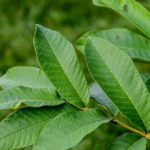 In this article, we’ll explore how guava leaves may support blood sugar control and how to prepare them properly to maximize their benefits. 🌱 Medicinal Properties of Guava Leaves Guava leaves are rich in beneficial compounds such as flavonoids, polyphenols, and carotenoids, which give them several important properties: These compounds help improve overall health and may…